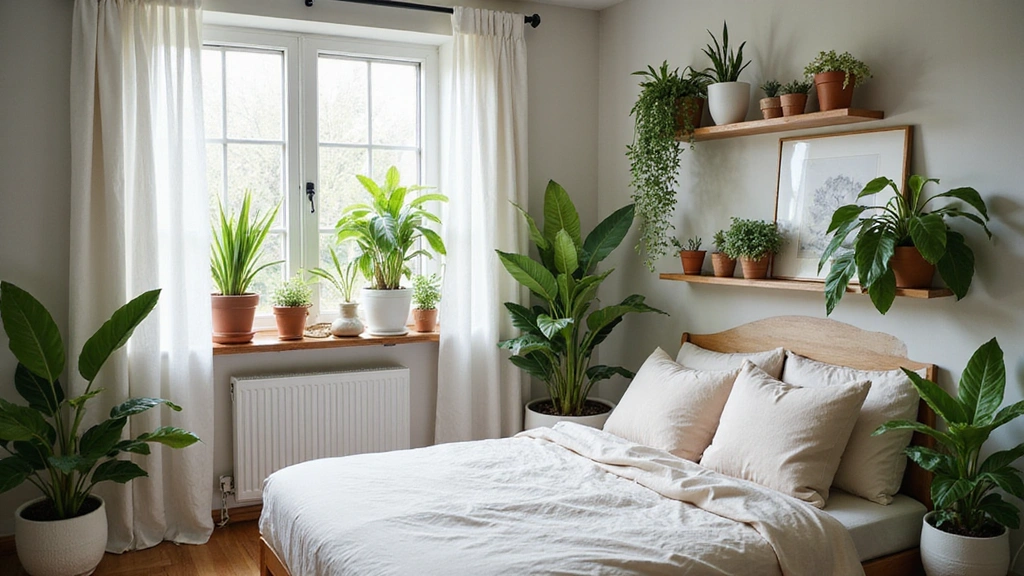
Transforming your bedroom into a serene oasis isn’t just about aesthetics; it’s about the air you breathe too.
Incorporating the right plants into your space can elevate your air quality, enhance your mood, and promote better sleep.
From purifying toxins to providing a touch of nature indoors, these ten bedroom plants are sure to boost your wellness while making your space lively and inviting. Get ready to discover how easy it is to bring a breath of fresh air right into your home.
Contents
- 1. Snake Plant: The Effortless Air Purifier
- 2. Peace Lily: The Elegant Air Cleaner
- 3. Spider Plant: The Resilient Survivor
- 4. Aloe Vera: Nature’s Healing Gel
- 5. Lavender: The Calming Essential
- 6. ZZ Plant: The Low-Light Champion
- 7. Boston Fern: The Lush Humidifier
- 8. Pothos: The Versatile Climber
- 9. Rubber Plant: The Statement Maker
- 10. Dracaena: The Elegant Air Purifier
1. Snake Plant: The Effortless Air Purifier

Known for its striking upright leaves, the snake plant is a top choice for bedroom plants.
This hardy plant thrives on neglect and can survive in low light and with minimal water, making it perfect for those who may not have a green thumb. Best of all, it produces oxygen at night, which can help you breathe easier while you sleep.
Not only does it combat common pollutants like formaldehyde and benzene, but it also absorbs excess moisture, helping to prevent mold growth. The snake plant’s architectural form adds a modern touch to your bedroom decor.
Here are some tips for caring for your snake plant:
- Place it in indirect light for best results.
-
Water only when the top inch of soil is dry, usually every couple of weeks.
-
Wipe the leaves occasionally to remove dust and allow the plant to breathe better.
2. Peace Lily: The Elegant Air Cleaner

The peace lily is not just a pretty face; it’s a powerhouse of purification.
With its glossy dark green leaves and elegant white flowers, this plant makes a beautiful addition to any bedroom. It’s known for filtering harmful chemicals from the air, including ammonia, benzene, and formaldehyde.
Beyond air health, peace lilies thrive in low light and only need to be watered when the soil feels dry, making them low-maintenance. Plus, their ability to increase humidity makes them ideal for dry indoor air, which can help soothe your skin and respiratory systems.
Keep in mind that peace lilies are mildly toxic to pets, so it’s best to keep them out of reach. Here are some care tips:
- Place it in a spot with indirect sunlight.
-
Water once a week, ensuring that excess water drains out.
-
Fertilize every 6-8 weeks during the growing season for healthy blooms.
3. Spider Plant: The Resilient Survivor

Spider plants are not only resilient but also incredibly effective at improving indoor air quality.
Their long, arching leaves make them visually stunning, and they’re known for their ability to remove pollutants like formaldehyde and xylene. Spider plants are particularly great for beginners as they can tolerate neglect and varying light conditions.
They also help indicate when they need water—just look for droopy leaves! To enrich your space, consider hanging them in macramé hangers or on high shelves, allowing their “babies” to cascade down. Here are some essential tips for spider plant care:
- Water when the top inch of soil is dry, usually every 1-2 weeks.
-
They thrive in bright, indirect light but can adapt to lower light.
-
Fertilize sparingly, as they tend to grow well without it.
4. Aloe Vera: Nature’s Healing Gel

Aloe vera isn’t just a popular skincare ingredient; it’s a fantastic bedroom plant too!
This succulent not only purifies the air by removing toxins but also emits oxygen at night, making it an excellent roommate for your bedroom. Plus, its gel can be used for soothing burns and skin irritations, adding to its wellness benefits.
Aloe vera is incredibly easy to care for, requiring minimal watering and bright, indirect light. The fleshy leaves hold moisture, making it drought-tolerant, and it’s perfect for those who often forget to water their plants. Here’s how to care for your aloe plant:
- Water it only when the soil is completely dry, about every 2-3 weeks.
-
Position it in a sunny spot with indirect sunlight for optimal growth.
-
Avoid letting water sit in the leaf axils to prevent rot.
5. Lavender: The Calming Essential

Lavender does more than smell wonderful; it’s effective at promoting relaxation and better sleep, making it an ideal bedroom plant.
The calming aroma of lavender has been scientifically shown to reduce anxiety and stress levels. Not only does it improve air quality, but having it in your bedroom can create a soothing environment for a good night’s rest.
Lavender needs plenty of sunlight, so placing it on a windowsill is best. It’s also drought-tolerant, so don’t worry if you forget to water it occasionally. To keep your lavender thriving, follow these care tips:
- Ensure it gets at least six hours of sunlight daily.
-
Water when the soil is dry to the touch, usually every 1-2 weeks.
-
Prune regularly to encourage new growth and maintain its shape.
6. ZZ Plant: The Low-Light Champion

The ZZ plant is the ultimate low-maintenance plant, perfect for bedrooms with less natural light.
With its waxy leaves and strong stems, this plant not only beautifies your space but also purifies the air by removing toxins. It is drought-resistant, so it can go long periods without water—great for busy lifestyles!
The ZZ plant thrives in various conditions, making it incredibly versatile. When placed in your bedroom, it enhances your decor while contributing to your air health. Here’s how to keep your ZZ plant happy:
- Water only when the soil is dry, usually every few weeks.
-
Ensure it has well-draining soil to prevent root rot.
-
While it tolerates low light, it grows best in indirect sunlight.
7. Boston Fern: The Lush Humidifier

If you’re looking for a plant that thrives in humidity, the Boston fern is your best bet!
Known for its feathery fronds, this plant is excellent for purifying the air and increasing humidity levels in your bedroom, which can benefit your skin and respiratory health. Boston ferns love to be misted and prefer indirect sunlight, making them perfect for a bathroom or any spot with moisture.
They’re a bit more demanding than some other plants but reward you with lush greenery that brightens up any space. Here are some care tips for Boston ferns:
- Keep the soil consistently moist but not soggy.
-
Mist the leaves regularly to keep humidity levels up.
-
Place in a location with bright, indirect light.
8. Pothos: The Versatile Climber

Pothos is one of the most versatile houseplants, known for its charming, heart-shaped leaves and trailing vines.
This plant can thrive in low light and purifies the air by removing toxins, making it ideal for bedrooms. You can allow it to trail down from shelves or hang it in a basket, creating a beautiful green display. Pothos is particularly forgiving, adapting well to various environments, so it’s perfect even for novice plant parents.
Here are some easy steps to care for pothos:
- Water when the top inch of soil feels dry, about every 1-2 weeks.
-
It can tolerate low light but grows best in bright, indirect light.
-
Prune regularly to promote bushier growth and prevent it from becoming too leggy.
9. Rubber Plant: The Statement Maker

For those who want a bold statement plant, the rubber plant is an excellent choice.
With its large, glossy leaves, it can grow quite tall, making it a stunning focal point in any bedroom. The rubber plant is not just about looks; it effectively filters airborne toxins, contributing to a healthier indoor environment. It enjoys bright, indirect sunlight and requires moderate watering, making it a relatively easy-care option.
Here are some pointers for keeping your rubber plant thriving:
- Water when the top inch of soil feels dry, generally every week.
-
Wipe the leaves occasionally to keep them dust-free and enhance their shine.
-
Rotate the plant every few months to ensure even growth.
10. Dracaena: The Elegant Air Purifier

Dracaena plants, known for their tall and slender form, are perfect for adding elegance to your bedroom.
They come in various varieties, with some featuring showy, colorful leaves. Dracaenas are excellent at removing toxins from the air, including formaldehyde and trichloroethylene, promoting overall air health. They thrive in indirect light and can adapt to low light, making them versatile for different settings.
Here’s how to give your dracaena the best care:
- Water when the top 2 inches of soil are dry to the touch.
-
Ensure that the pot has drainage holes to prevent root rot.
-
Fertilize every 4-6 weeks during the growing season for vibrant growth.
Conclusion: Breathe Better, Live Better!

Incorporating these bedroom plants into your space can significantly enhance your air quality and overall wellness.
Each plant offers unique benefits, from purifying the air to adding beauty to your environment. Embrace the lush greenery and create a peaceful retreat that nurtures your mind and body. Enjoy the journey of personalizing your space with these vibrant companions!
Frequently Asked Questions
Which bedroom plants improve air quality the most?
Plants like snake plants, peace lilies, and aloe vera are known for their exceptional air-purifying qualities, making them ideal for improving your bedroom’s air health.
How do I care for low-maintenance bedroom plants?
Low-maintenance plants, like ZZ and snake plants, thrive with minimal light and watering. Just ensure they have well-draining soil and avoid overwatering.
Can plants help with sleep and relaxation?
Yes! Plants like lavender not only enhance air quality but also promote relaxation, making them perfect for a restful bedroom environment.
What factors should I consider when choosing bedroom plants?
Consider light levels, humidity, and your watering habits. Choose plants that match your bedroom conditions for optimal growth and air quality benefits.
How many bedroom plants should I have for wellness?
Having 2-5 plants can significantly enhance air quality and create a calming atmosphere. Balance is key—avoid overcrowding to maintain a serene space.