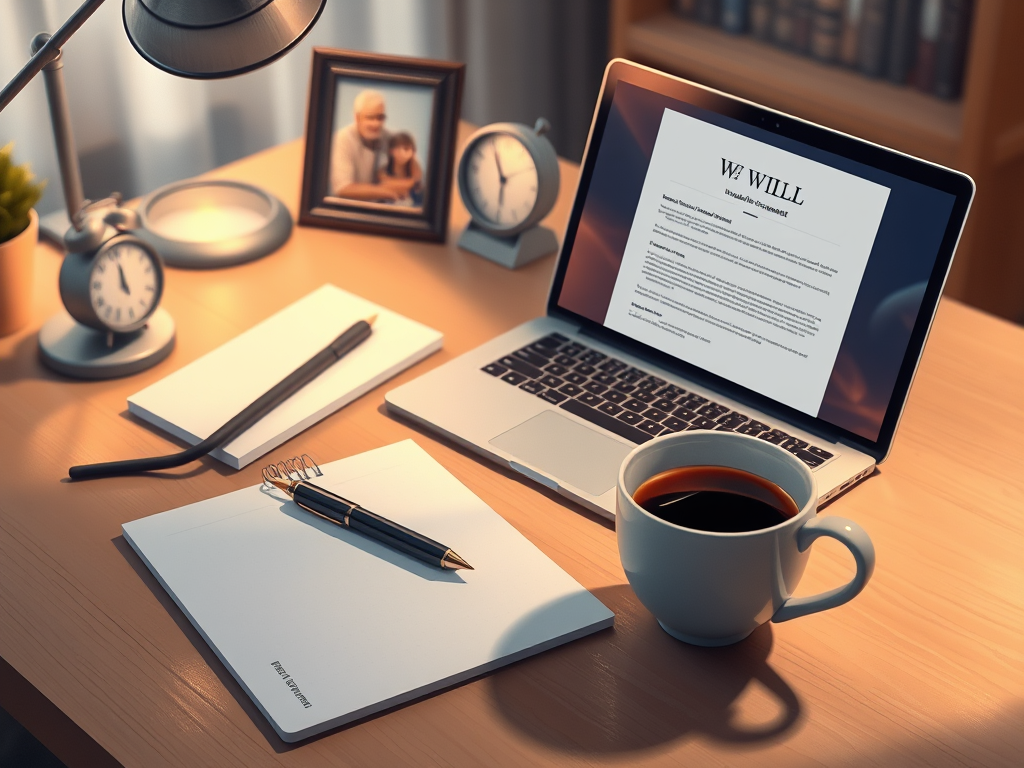
Updating or Writing a Will is an essential task. Although it is often postponed, it is crucial for multiple reasons. Control Over Assets: A will lets you decide how your assets should be distributed. It avoids state laws that do not align with your wishes.

Why It's Important:
Guardianship: If you have minors, a will lets you appoint a guardian for them. This makes sure they are cared for by someone you trust.
Minimizing Family Disputes: A clear will can prevent or reduce disputes among heirs about your estate.
Easing the Burden: It simplifies the legal process for your loved ones during an already difficult time.

Steps to Writing or Updating a Will:
Inventory Your Assets:
Create a list of all significant assets. These include property, investments, bank accounts, personal items of value, etc.
Choose Beneficiaries:
Decide who will inherit your assets. Consider not only family but also friends or charities.
Select an Executor:
Appoint someone you trust to carry out your wishes as stated in your will. Discuss this with them beforehand.
Name a Guardian for Minors:
If applicable, choose someone to look after your children or dependents.
Draft the Will:
You can write a will yourself using online resources or templates. But, for complex estates, it's advisable to consult a lawyer.
Consider Legal Requirements:
Make sure your will complies with local laws about signatures, witnesses, etc. In many places, wills need to be signed in the presence of witnesses.
Review and Update Regularly:
Life changes like marriage or divorce should prompt a review of your will. The birth of children or significant changes in assets are also important reasons to update it.

Common Reasons for Procrastination:
Emotional Avoidance: Thinking about one's mortality or distributing possessions can be uncomfortable.
Complexity: The legal language, potential tax implications, and the need for legal advice can seem overwhelming.
Lack of Urgency: People often feel they have more time to deal with it later.

Tips to Overcome Procrastination:
Start Small: Start by just listing your assets. Think about whom you want to gain from your estate.
Seek Professional Help: A consultation with an estate planner or attorney can demystify the process.
Educate Yourself: Read up on basic estate planning to understand what's involved.
Set a Deadline: Treat it like any other important task with a deadline to create a sense of urgency.
Break It Down: If the whole process seems overwhelming, tackle one aspect at a time. Start by deciding on guardianship or selecting executors.

Remember, while it's a task that people often put off. It offers peace of mind and security. This makes it a worthwhile effort for both you and your loved ones.
Like this:
LikeLoading…
Discover more from atenajos
Subscribe to get the latest posts sent to your email.
Unlock the transformative power of solo travel with these 13 game-changing tips! From embracing solitude to discovering hidden gems, each piece of advice promises to enrich your journey. And wait…
Feeling sluggish by midday? Discover 19 energizing snacks that will elevate your energy levels and keep you fueled all day long! From crunchy to creamy, these delicious options are packed…
A road trip through the American Southwest, starting in Las Vegas. The journey would take us through the Mojave Desert. The landscape shifts from the neon glow of the city…
One key consideration is not just how long one lives, but the quality of life during those years. Advances in medicine and biotechnology extend lifespan. They can also extend healthspan,…