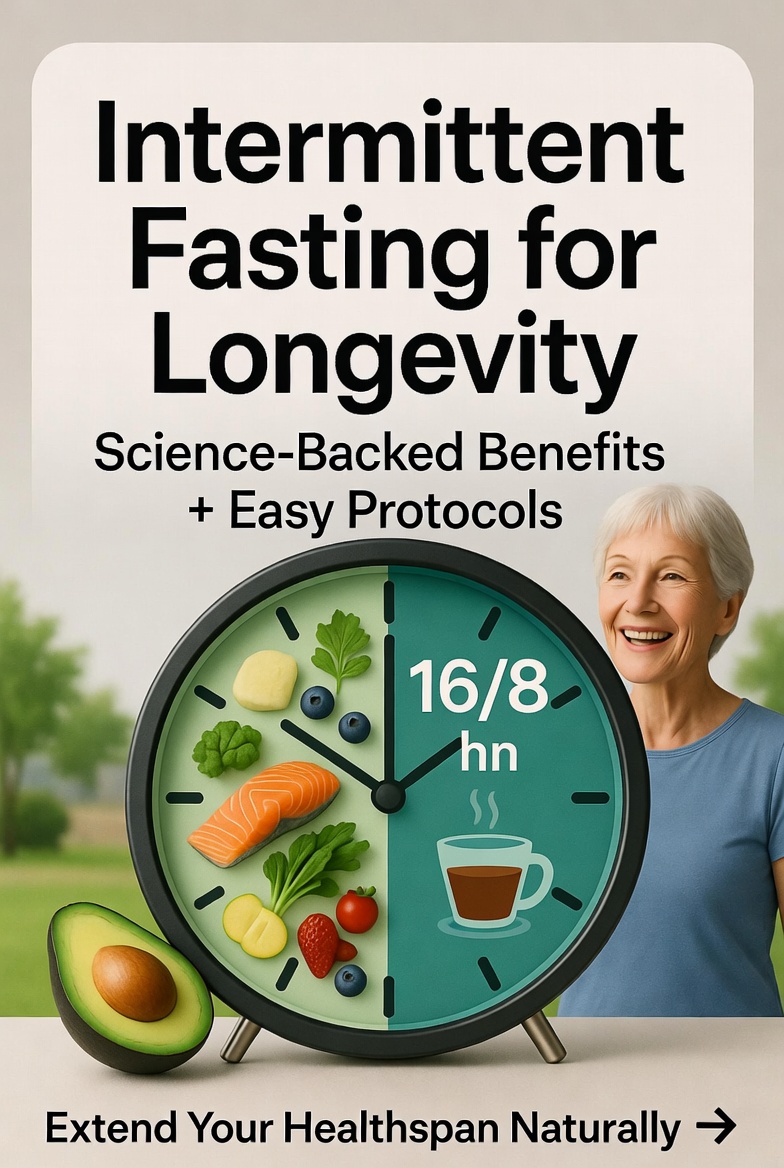

Explore the science of intermittent fasting (IF) for weight loss, metabolic health, and longevity. Includes meta-analysis results and beginner protocols.
Introduction
Intermittent fasting isn’t a fad, it’s a powerful tool backed by growing evidence for improving body composition, cardiometabolic markers, and potentially extending healthspan. Multiple 2024-2025 meta-analyses confirm its benefits rival or complement traditional calorie restriction.
What the Evidence Shows
High-certainty findings from umbrella reviews and meta-analyses:
- Weight & Fat Loss: Reduces waist circumference, fat mass, and overall body weight more effectively in some protocols (e.g., alternate-day fasting).
- Metabolic Health: Lowers fasting insulin, LDL cholesterol, total cholesterol, triglycerides, and inflammation markers. Increases HDL and preserves fat-free mass.
- Heart Health: Improvements in blood pressure (especially diastolic) and overall cardiometabolic risk.
- Other Potential Benefits: Enhanced autophagy (cellular cleanup), better insulin sensitivity, and possible neuroprotective effects. Long-term adherence appears key.
Note: Results are strongest in overweight/obese adults. Benefits are comparable to continuous calorie restriction but may improve compliance for some people.
Popular IF Protocols

- 16/8 Time-Restricted Eating: Eat within an 8-hour window (e.g., 12pm-8pm). Easiest for beginners.
- Alternate-Day Fasting (ADF): Modified version (500 calories on fast days) shows strong results.
- 5:2 Diet: Normal eating 5 days, restricted calories 2 days.
How to Start Safely
- Begin with 12/12 and gradually extend.
- Stay hydrated and prioritize nutrient-dense foods (vegetables, protein, healthy fats).
- Combine with exercise, especially post-meal walks.
- Monitor energy, sleep, and mood. Women and those with medical conditions should consult a doctor.
- Break fasts gently; avoid bingeing.

Potential Drawbacks
Temporary side effects like hunger or fatigue are common initially. Not ideal for everyone (e.g., pregnant, eating disorders, certain medications). Long-term bone health data is mixed but generally neutral when nutrition is adequate.
Intermittent fasting offers science-backed tools for better health and longevity. Experiment mindfully and track results.
Recommended Tools
Intermittent Fasting Journal/Tracker
Extra Virgin Olive Oil for Mediterranean-style meals