Origins
Early Beginnings
Irish whiskey originated in the 6th century. Irish monks brought back the knowledge of distillation from their travels. Initially, this was applied to create medicinal “aqua vitae” or “water of life,” which eventually evolved into whiskey.

First Distillery
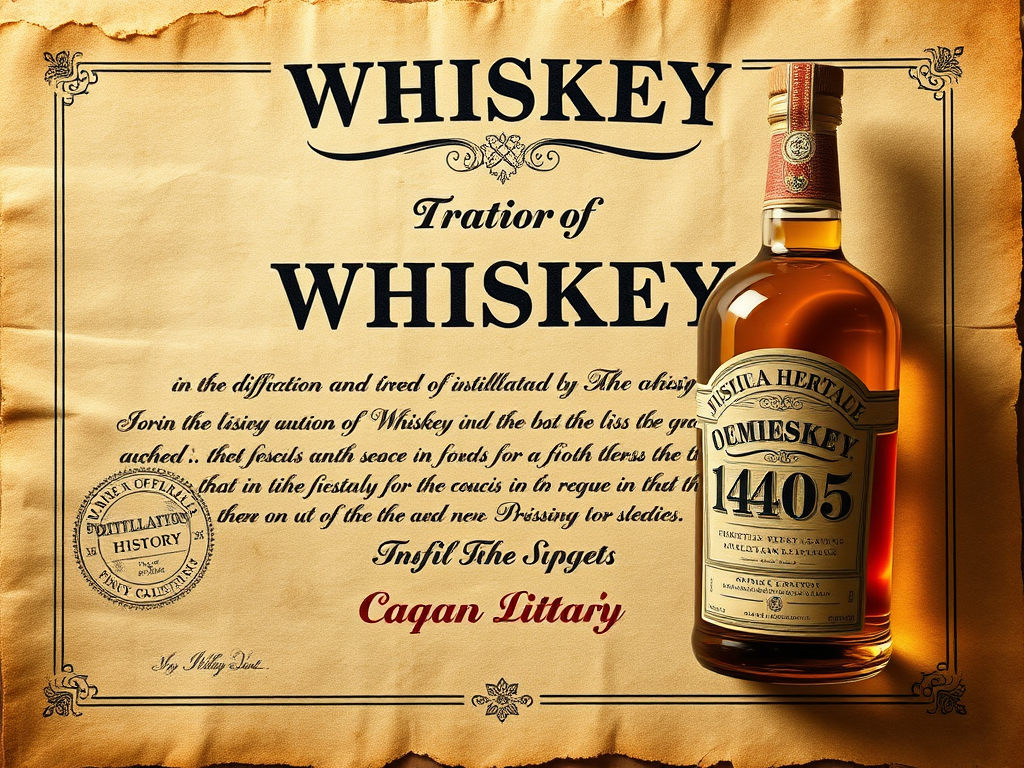
The first recorded mention of whiskey in Ireland comes from the Annals of Clonmacnoise in 1405. It’s described as “aqua vitae” being brought to Scotland. However, commercial distilling in Ireland is believed to have started around the late 16th century.

Growth and Regulation
17th Century
By the 17th century, whiskey production in Ireland became more organized with the establishment of distilleries. The British Crown introduced excise taxes in 1661, which initially led to a boom in illegal distilling.

18th Century
The 18th century saw the creation of the first licensed distilleries in Ireland. The number of these distilleries grew to over 1,000 by the end of the century. This period also saw the innovation of the Coffey still by Aeneas Coffey in the 1830s. This invention allowed for continuous distillation. It contributed to the production of both grain whiskey and the smoother blends.

Golden Age and Decline
19th Century
Irish whiskey was at its peak, especially with the popularity of blends like Jameson, which became a global brand. Yet, several factors led to its decline:

- Economic and Political Turmoil: The political situation pushed for Irish independence. Economic issues, such as the Great Famine, also impacted production.
- Prohibition in the U.S.: The U.S., a significant market for Irish whiskey, introduced Prohibition in 1920, severely cutting export markets.
- Competition from Scotch: Scotch whisky had its own marketing push. The creation of “blended” Scotch also began to overshadow Irish whiskey.
Revival
Mid to Late 20th Century
By the mid-20th century, only a few distilleries survived. However, from the late 20th century, a revival began:
- Jameson’s Role: The revival can largely be credited to Irish Distillers and their strategic marketing of Jameson. Pernod Ricard later acquired them. Their aim was at both traditional and new markets.
- New Distilleries: The 1980s and 90s saw the establishment of new distilleries, such as Cooley. These distilleries played a significant role in diversifying offerings with single malts and pot still whiskeys.
21st Century
The new millennium has seen an explosion in the number of distilleries. From just three in the 1980s, Ireland now boasts over 40, each contributing to the craft and innovation scene. This includes both revived historic brands and completely new ventures.
Modern Era
Global Recognition
Irish whiskey has regained its status as a premium spirit. It is globally appreciated for its unique characteristics. Its smoothness is attributed to triple distillation and the use of both malted and unmalted barley.
Heritage and Innovation
Today, Irish whiskey combines rich tradition with modern innovation. Distilleries experiment with cask finishes, new grain varieties, and sustainable practices.

- Whiskey is deeply embedded in Irish culture. Distilleries like Midleton, Cooley, and Bushmills preserve and promote centuries-old traditions. They also embrace modern techniques.
- Irish whiskey festivals, both in Ireland and abroad, celebrate this history, offering tastings, education, and community around the spirit.