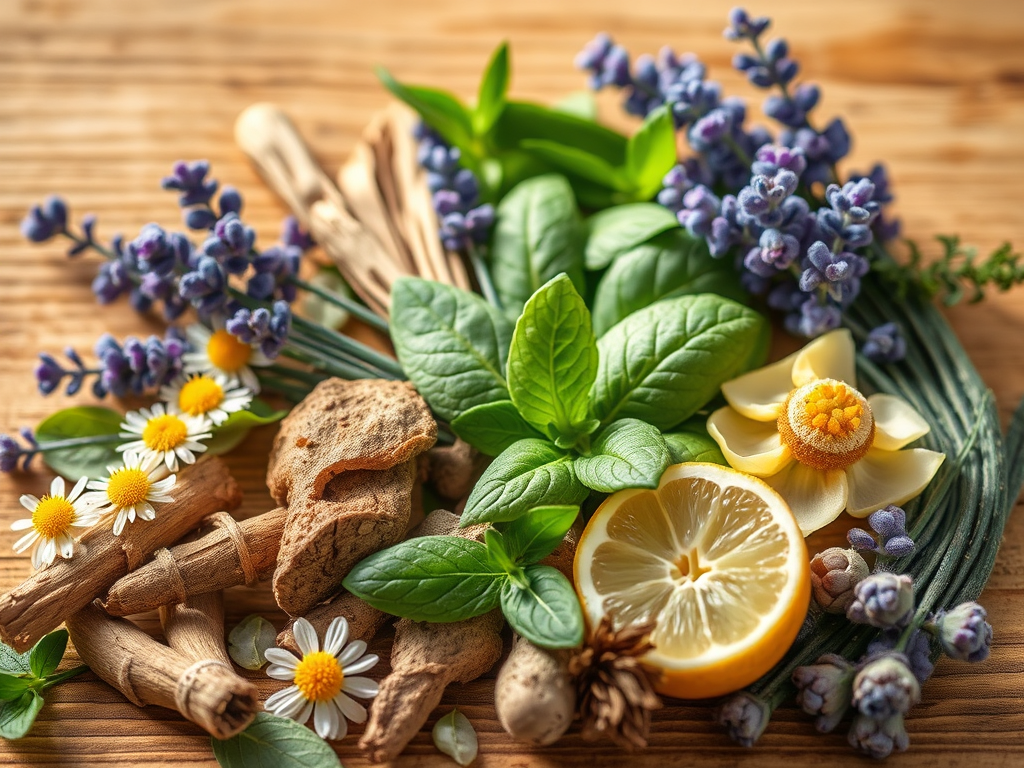
In our fast-paced world, achieving a good night’s sleep can sometimes feel like an elusive dream. Many turn to pharmaceuticals for relief. Yet, there’s a treasure trove of natural remedies right at our fingertips. These include herbal sleep aids. These ancient solutions offer a gentler path to rest, tapping into the calming effects of nature. Let’s explore some of the most effective herbs for promoting sleep. We’ll also discuss how you can incorporate them into your nightly routine.
Chamomile: The Calming Classic

Benefits: Chamomile is like a warm hug for your nervous system, thanks to apigenin, which induces sleepiness.
How to Use: Drink a cup of chamomile tea about 45 minutes before bed. This can set the stage for a peaceful night. Its mild flavor makes it a favorite among all ages.
Valerian Root: The Potent Sedative

Benefits: Valerian is known for reducing the time it takes to fall asleep. It also improves sleep quality. It acts much like a sedative by boosting GABA levels in the brain.
How to Use: Available as tea or capsules, start with a small dose to find your comfort level. Its strong scent is not for everyone, but its effectiveness is well-documented.
Lavender: The Aromatic Soother

Benefits: Lavender’s fragrance is renowned for lowering anxiety and heart rate, making it a perfect bedtime companion.
How to Use: Diffuse lavender essential oil in your bedroom. Apply a few drops to your pillow. Enjoy a soothing lavender bath before bed.
Lemon Balm: The Stress Reliever

Benefits: This mint relative can reduce anxiety and promote sleep, especially when combined with other herbs like valerian.
How to Use: Sip on lemon balm tea or take it in capsule form for a tranquil pre-sleep ritual.
Passionflower: The Natural Calmer

Benefits: By increasing GABA levels, passionflower helps calm the mind, making it easier to drift off to sleep.
How to Use: Drink as tea or take in capsule form right before your bedtime routine.
Ashwagandha: The Stress Buster

Benefits: An adaptogen that reduces stress hormones like cortisol, Ashwagandha can lead to more restful sleep.
How to Use: Mix the powder in warm milk or take capsules. It’s also available in tea form.
Magnolia Bark: The Anxiety Alleviator

Benefits: With compounds that soothe anxiety, magnolia bark can help you fall asleep faster and enjoy deeper rest.
How to Use: Commonly found in supplement form or as part of a sleep-enhancing herbal blend.
Hops: Beyond the Brewery

Benefits: Hops aren’t just for beer; they have sedative properties too, especially when paired with valerian.
How to Use: Look for hops in sleep tea blends or take in capsule form.
Kava: The Relaxation Drink

Benefits: Kava induces relaxation without the cognitive fog, perfect for those whose minds race at night.
How to Use: Traditionally drunk as a tea, but caution is advised due to potential liver concerns with prolonged use.
Skullcap: The Anxiolytic Herb

Benefits: Skullcap can calm nerves and promote sleep, especially when anxiety is the culprit.
How to Use: Enjoy as a tea or in capsules for those calming vibes.
How to Incorporate Herbal Sleep Aids into Your Life:
- Start Small: Start with the lowest dose to assess your body’s response.
- Be Consistent: Herbal remedies often need time to work their magic.
- Create a Routine: Integrate these aids into a nightly ritual for better sleep hygiene.
- Environmental Harmony: Enhance the effects with a sleep-conducive environment.
Safety Considerations:
Consult with a healthcare provider before starting new supplements, especially if you’re on medication or have health concerns.
Opt for high-quality, reputable products to make sure you’re getting what you need.
Nature provides us with a plethora of options to gently nudge us towards better sleep. By understanding these herbal sleep aids, you can improve your sleep quality. You can also reduce stress and wake up feeling refreshed. Here’s to embracing nature’s lullabies for a peaceful night’s rest.
Have you tried any of these herbs? Share your results or favorite sleep routines in the comments.
Stay tuned for more natural health tips and tricks on my blog.