Discover the most effective, science-backed cortisol management techniques to reduce stress, protect your skin, slow aging, and improve overall healthspan.

Cortisol is often referred to as the “stress hormone,” primarily because it plays a crucial role in our body’s response to stress. While cortisol is essential in small amounts for various bodily functions, such as regulating metabolism and the immune response, chronically elevated levels can lead to a host of negative effects, particularly on our skin and overall health. Research has shown that prolonged high cortisol levels can accelerate the aging process of the skin, increase inflammation, disrupt sleep patterns, and shorten our healthspan. If you want to understand exactly how stress damages your skin and what you can do to combat it, read this comprehensive guide first.
How Chronic Stress Deteriorates Your Skin and How to Fight
What Happens When Cortisol Stays High?
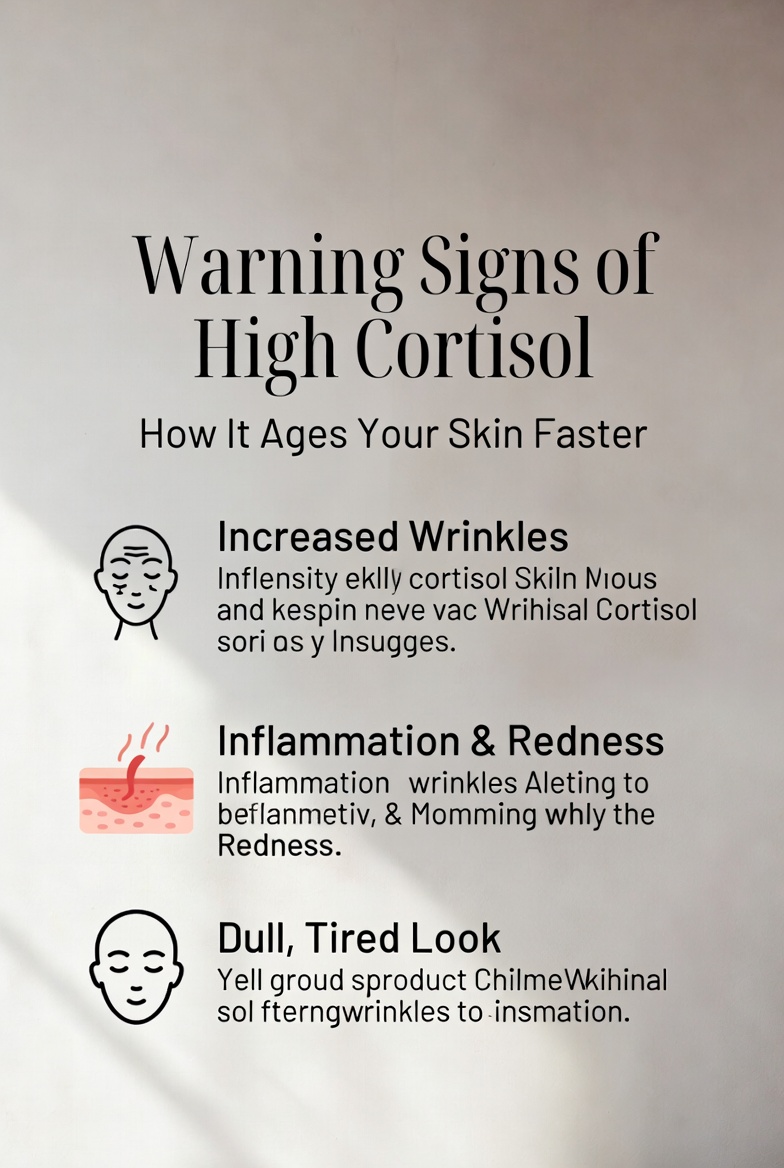
- Breaks down collagen and elastin: These are crucial proteins that help maintain skin elasticity and firmness. When cortisol levels remain elevated, the breakdown of collagen and elastin can lead to wrinkles, sagging skin, and an overall dull appearance.
- Increases inflammation: High cortisol levels can lead to increased inflammation in the body, which often manifests as acne, redness, and a lackluster complexion. Chronic inflammation can contribute not only to skin issues but also to various health conditions.
- Disrupts sleep and hormone balance: Elevated cortisol can interfere with sleep patterns, leading to insomnia or poor-quality sleep. This disruption can further exacerbate stress and lead to hormonal imbalances that negatively impact skin health.
- Promotes fat storage: Particularly around the abdominal area, high cortisol levels can lead to increased fat storage, which is often associated with various health risks, including metabolic syndrome.
- Weakens immune function: Chronic stress and elevated cortisol can suppress the immune system, making it more difficult for your body to combat skin infections and accelerate the aging process further.
Most Effective Cortisol Management Techniques

- Daily Stress-Reduction Practices
- Breathing exercises: Techniques such as 4-7-8 breathing or box breathing can help activate the body’s relaxation response and reduce cortisol levels effectively.
- Meditation or mindfulness: Even dedicating just 10 minutes a day to meditation or mindfulness practices can significantly lower stress levels and improve overall well-being.
- Journaling and gratitude: Writing about your thoughts and feelings can help clarify emotions, while expressing gratitude can shift your focus away from stress.
- Time in nature: Spending time outdoors can be a powerful way to reduce stress and improve mood. Nature has a calming effect that can significantly lower cortisol.
- Sleep Optimization
Quality sleep is one of the best strategies to regulate cortisol. Aim for 7–9 hours of quality sleep per night, and maintain a consistent sleep schedule to support healthy cortisol rhythms. - Smart Movement
Incorporating strength training and daily walking into your routine can be an excellent way to lower cortisol levels. However, it’s crucial to avoid excessive high-intensity exercise, especially if you’re already feeling stressed. Gentle exercises, such as yoga or Pilates, can also be beneficial. - Nutrition & Hydration
- Reduce excess caffeine: High caffeine intake can elevate cortisol levels, so consider limiting your consumption.
- Eat balanced meals: Meals rich in protein, healthy fats, and fiber can stabilize blood sugar, which in turn can help manage cortisol levels.
- Include magnesium-rich and anti-inflammatory foods: Foods high in magnesium, such as leafy greens, nuts, and seeds, can help reduce cortisol. Incorporating anti-inflammatory foods like turmeric and fatty fish can also be beneficial.
- Targeted Supplements
- Ashwagandha: This adaptogenic herb is one of the most researched for its effectiveness in lowering cortisol levels and reducing stress.
- Magnesium Glycinate: Magnesium plays a vital role in calming the nervous system and can help reduce stress.
- Phosphatidylserine: This supplement has been shown to lower cortisol levels in response to exercise and stress.
- Omega-3s: Known for their anti-inflammatory properties, omega-3 fatty acids can help support overall skin health and reduce cortisol.
- Vitamin C: This antioxidant can help mitigate the effects of stress on the body and support immune function.


Sample Daily Cortisol-Lowering Routine
| Time | Habit | Benefit |
|---|---|---|
| Morning | Sunlight + 5 min breathing | Regulates cortisol rhythm and boosts mood to start the day. |
| Midday | Balanced meal + short walk | Stabilizes blood sugar levels and promotes digestion, which can reduce feelings of stress. |
| Afternoon | Movement break | Engaging in light movement releases built-up stress and increases circulation. |
| Evening | Magnesium + journaling + no screens | Prepares the body for deep sleep by promoting relaxation and reducing screen time exposure to blue light. |
| Night | Consistent bedtime | Supports overnight repair and helps maintain a healthy sleep cycle. |
Recommended Products
Ashwagandha KSM-66: A well-researched source of ashwagandha.
Magnesium Glycinate: A highly bioavailable form of magnesium that supports relaxation.
Phosphatidylserine: An effective supplement for stress management.
High-Quality Omega-3: Supports overall health and reduces inflammation.
Conclusion
Managing cortisol is one of the most effective strategies for protecting your skin and supporting longevity. By integrating daily stress-reduction practices, optimizing sleep hygiene, making smart nutritional choices, engaging in regular smart movement, and adding targeted supplements to your routine, you can significantly enhance your skin health and overall well-being. Prioritizing these practices will not only help you combat stress but also promote a healthier, more vibrant life as you age.