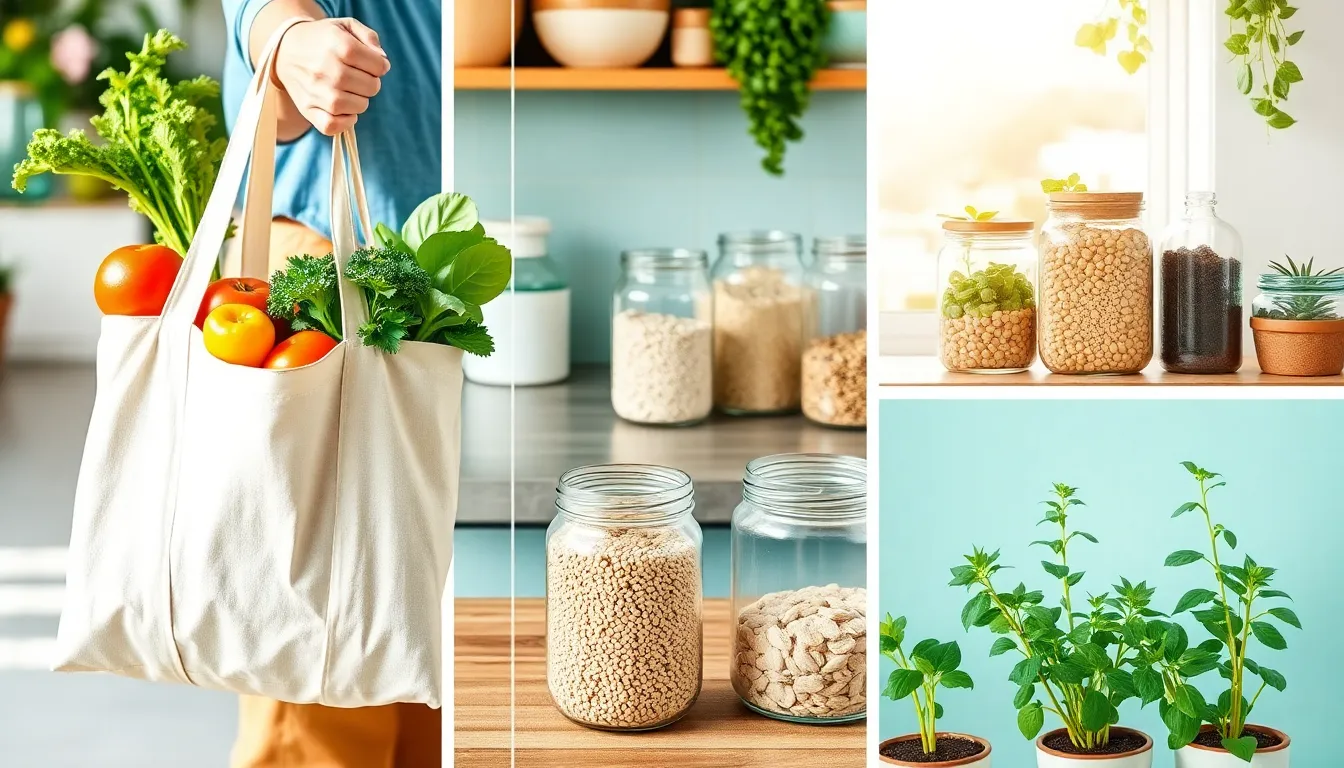
Are you ready to transform your lifestyle and make a positive impact on the planet? This guide showcases 25 incredible zero-waste tips that will not only help you reduce plastic consumption but also inspire you to embrace eco-friendly practices in your daily life.
From creative ways to repurpose household items to sustainable product swaps, each tip is designed to challenge your perceptions of waste and encourage a greener way of living. Let’s embark on this journey together and rethink the way we consume, one step at a time.
1. Ditch Single-Use Plastics

Single-use plastics are a major contributor to environmental waste. By opting for reusable alternatives, such as stainless steel straws, bamboo cutlery, and glass containers, you can significantly cut down your plastic footprint.
Consider carrying a reusable bag wherever you go; this simple habit can prevent countless plastic bags from entering landfills. Embrace the mindset of sustainability by choosing products that are designed to last, reducing the need for disposables.
2. Embrace Bulk Shopping

Bulk shopping not only saves you money but also helps reduce packaging waste. Many grocery stores now offer a wide range of products in bulk, from grains and nuts to cleaning supplies and spices.
Bring your own containers or reusable bags to fill up on your favorite items, minimizing the reliance on plastic packaging. This practice encourages mindful consumption and allows you to buy only what you need, further reducing waste.
3. DIY Cleaning Products

Creating your own cleaning products at home is a fantastic way to eliminate plastic waste from store-bought bottles while also avoiding harmful chemicals. Common ingredients like vinegar, baking soda, and essential oils can be combined to create effective cleaners for various surfaces.
Not only do these DIY solutions save money, but they also allow you to customize scents and formulations to suit your needs. Plus, you can store them in reusable glass or metal containers, keeping your home eco-friendly.
4. Choose Package-Free Personal Care

From shampoo bars to plastic-free deodorants, the world of personal care is evolving to become more sustainable. Many brands now offer package-free or refillable products that are gentle on both the skin and the planet.
Switching to solid shampoo bars, bamboo toothbrushes, and refillable skincare containers can drastically cut down your plastic waste. Explore local shops that specialize in zero-waste personal care items, and consider making your own beauty products using natural ingredients.
5. Get Creative with Food Scraps

Instead of tossing food scraps in the trash, find innovative ways to repurpose them. Vegetable peels, stems, and cores can be transformed into delicious broths, while fruit scraps can be turned into smoothies or compost.
You can also start a small kitchen garden to regrow herbs and vegetables from kitchen scraps, such as green onion roots or potato eyes. This practice not only reduces waste but also fosters a deeper connection to your food.
6. Opt for Second-Hand Finds

Shopping second-hand is a fun and sustainable way to refresh your wardrobe and home without contributing to the fast fashion cycle. Thrift stores, online marketplaces, and local swaps offer unique items at a fraction of the price.
By choosing pre-loved items, you not only save money but also reduce the demand for new products, ultimately lessening the overall environmental impact. Plus, you may discover one-of-a-kind treasures that add character to your style.
7. Make Sustainable Swaps in Your Kitchen

Transform your kitchen into a zero-waste haven by making simple swaps. Replace plastic wraps with beeswax wraps, use glass containers for leftovers, and choose wooden utensils over plastic ones.
These changes not only help the environment but also enhance the aesthetic of your kitchen. Embrace the beauty of natural materials and create a space that reflects your commitment to sustainable living.
8. Say Goodbye to Paper Towels

Paper towels are often used once and tossed, contributing to unnecessary waste. Instead, switch to cloth napkins and reusable cleaning cloths. These alternatives are not only more eco-friendly but can also be more cost-effective in the long run.
Invest in a set of colorful, washable cloths that can be used for cleaning and dining. This small change can significantly reduce your paper waste and promote a cleaner planet.
9. Grow Your Own Herbs and Vegetables

Starting a small herb or vegetable garden at home is a rewarding way to reduce plastic packaging from store-bought produce. Even if you have limited space, you can grow herbs in pots on a windowsill or balcony.
Fresh herbs not only enhance your meals but also provide a sense of accomplishment and connection to your food. As you nurture your plants, you’ll find that gardening also promotes mindfulness and reduces stress.
10. Use Reusable Coffee Filters

If you love your daily cup of coffee, consider switching to reusable coffee filters. Traditional paper filters end up in the trash, but cloth or metal filters can be washed and reused, significantly reducing waste.
With a variety of styles available, you can enjoy a rich, flavorful brew while minimizing your impact on the environment. Pair this habit with a reusable travel mug to further cut down on single-use items.
11. Participate in Local Clean-Ups

Joining local clean-up events is a fantastic way to engage with your community while contributing to a cleaner environment. These events often focus on parks, beaches, or neighborhoods, helping to remove litter and educate others about waste reduction.
By participating, you not only help beautify your surroundings but also inspire others to adopt eco-friendly habits. Plus, it’s a great way to meet like-minded individuals who share your passion for sustainability.
12. Invest in a Water Filter

Ditching bottled water is a powerful step towards reducing plastic waste. Instead, invest in a high-quality water filter to enjoy clean, filtered water straight from your tap.
This not only saves money but also eliminates the need for single-use plastic bottles. Consider carrying a reusable water bottle to stay hydrated on the go, making a significant impact on your plastic reduction efforts.
13. Compost Your Food Waste

Composting is an excellent way to reduce food waste and enrich your garden soil at the same time. By collecting kitchen scraps like vegetable peels, coffee grounds, and eggshells, you can create nutrient-rich compost that benefits your plants.
Even if you live in an apartment, you can use a countertop compost bin or participate in a local composting program. This simple practice not only diverts waste from landfills but also contributes to a more sustainable ecosystem.
14. Host a Zero-Waste Party

Throwing a zero-waste party can be a fun and impactful way to share your sustainable values with friends and family. Encourage guests to bring their own reusable containers for leftovers, use compostable plates, and serve drinks in glassware.
Get creative with decorations using items you already have or borrow from friends. This approach not only reduces waste but also sparks conversations about eco-friendly practices and inspires others to adopt a zero-waste mindset.
15. Educate Yourself and Others

Knowledge is a powerful tool in the fight against plastic pollution. Take the time to educate yourself about the impacts of plastic waste and the importance of sustainable living. Share what you learn with friends, family, and your community to inspire collective action.
Consider organizing workshops or discussions around zero-waste practices, creating a ripple effect that encourages others to rethink their habits and make positive changes.
16. Choose Eco-Friendly Packaging

When shopping, make a conscious effort to choose products with eco-friendly packaging. Look for brands that use biodegradable, compostable, or recyclable materials.
By supporting companies that prioritize sustainable practices, you contribute to a growing movement that encourages responsible production and consumption. This simple choice can lead to a significant reduction in plastic waste.
17. Use Cloth Diapers

For parents, switching to cloth diapers can dramatically reduce plastic waste compared to disposable ones. Cloth diapers are reusable and come in various styles and fabrics, making them both eco-friendly and economical in the long run.
By making this switch, you not only lessen your environmental impact but also provide a soft and breathable option for your baby’s delicate skin. Plus, the cute designs available make diapering a bit more fun!
18. Create a Sustainable Wardrobe

Building a sustainable wardrobe means investing in quality over quantity. Choose timeless pieces made from organic or recycled materials, and consider brands that prioritize ethical manufacturing processes.
Additionally, practice mindful shopping by evaluating your wardrobe before making new purchases, ensuring that each item serves a purpose and complements your style. This approach not only reduces waste but also promotes a more thoughtful relationship with fashion.
19. Reduce Food Waste with Meal Planning

Meal planning is an effective way to reduce food waste and save money. By planning your meals for the week, you can buy only what you need and avoid impulse purchases that often lead to waste.
Create a shopping list based on your meal plan, and stick to it when grocery shopping. This habit not only minimizes waste but also encourages healthier eating habits and fosters creativity in the kitchen.
20. Use a Safety Razor

Switching to a safety razor is a small yet impactful change that can greatly reduce plastic waste from disposable razors. Safety razors are designed to last a lifetime, only requiring blade replacements, which are often recyclable.
This sustainable choice not only saves money over time but also provides a closer shave with less irritation. Plus, the classic design of safety razors adds a touch of elegance to your grooming routine.
21. Advocate for Change

Becoming an advocate for zero waste and plastic reduction can amplify your impact. Join local environmental groups, participate in campaigns, or even start your own initiatives to raise awareness about the importance of reducing plastic consumption.
By rallying others around this cause, you can create a movement that drives significant change within your community. Your voice can inspire others to adopt sustainable practices and push for policy changes that benefit the planet.
Conclusion

Embracing a zero-waste lifestyle is a journey that begins with small, intentional changes. By incorporating these tips into your daily routine, you can make a significant impact on reducing plastic waste and promoting sustainability.
Remember, every effort counts, and as you adopt these practices, you inspire others to follow suit. Together, we can create a cleaner, greener future for generations to come.