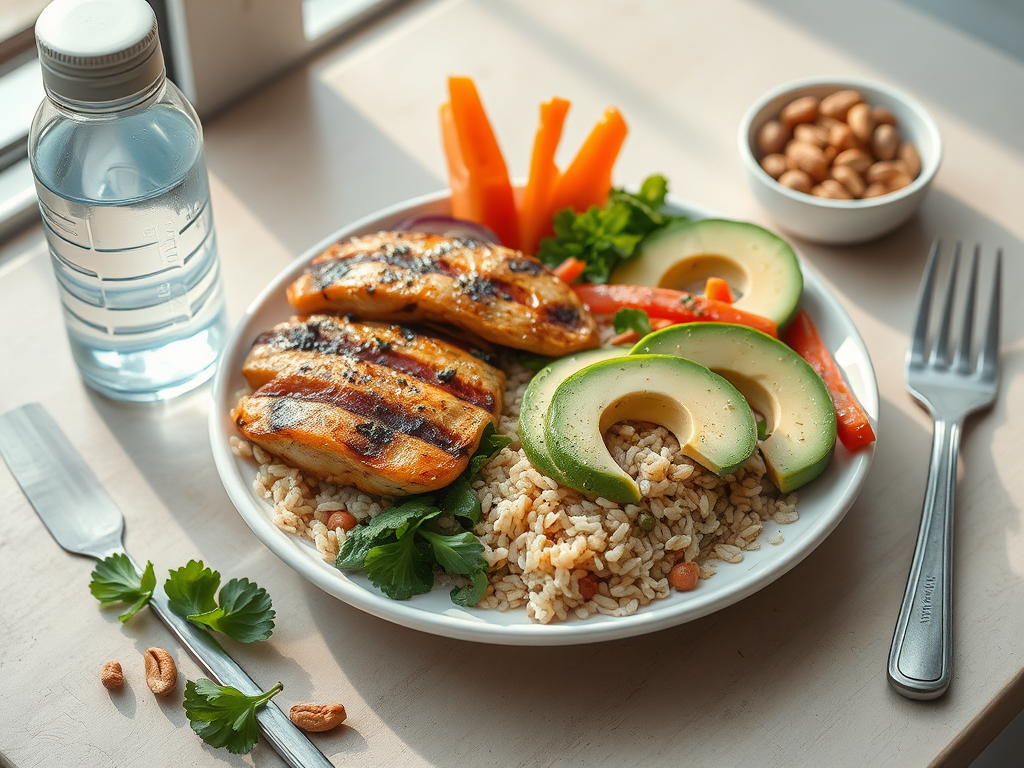
The foods we choose during our lunch break can significantly impact our energy levels. They also affect our mood and productivity for the rest of the day. Here’s a breakdown of what to consider for optimal lunch break nutrition:
- Balance is Key
Macronutrients:- Proteins: Essential for muscle repair, feeling full, and maintaining muscle mass. Good sources include lean meats like chicken or turkey, fish, tofu, lentils, or legumes.
- Carbohydrates: Choose complex carbs for sustained energy release. Whole grains like brown rice, quinoa, or whole-grain bread are excellent choices.
- Fats: Healthy fats from avocados, nuts, seeds, and olive oil help with nutrient absorption and provide satiety.
Micronutrients:
- Vitamins and Minerals: Aim for a colorful plate to guarantee you’re getting a variety of vitamins and minerals. Vegetables and fruits should make up a significant part of your meal.
- Blood Sugar Management
- Avoid High Glycemic Foods: White bread, sugary snacks, and sodas can lead to a rapid spike in blood sugar levels. This spike is often followed by a crash, causing that infamous post-lunch slump.
- Fiber: Foods high in fiber (beans, vegetables, whole grains) help manage blood sugar levels by slowing down digestion.
- Hydration
- Water: Essential for digestion, cognitive role, and energy. Aim for water or unsweetened teas rather than sugary or caffeinated drinks that can lead to dehydration or energy fluctuations.
- Mindful Eating
- Part Control: Even healthy foods can lead to lethargy if overeaten. Listen to your body’s hunger cues.
- Chew Slowly: This aids in digestion and helps you feel full quicker, reducing the chance of overeating.
- Practical Lunch Ideas
- Salads: Mix greens with lean proteins like grilled chicken or chickpeas. Add various veggies for color and nutrients. Include a healthy fat like olive oil or avocado.
- Whole Grain Wraps: Fill with hummus, veggies, and some leftover grilled meat or tofu for protein.
- Soups: A broth-based soup with many vegetables can be very satisfying. Adding a protein source makes it easy on the digestive system.
- Bento Style: Use small compartments for different food groups. Include nuts or seeds for fats. Add cut veggies with a dip. Also, pack a piece of fruit and a protein source.
- Avoid or Limit
- Processed Foods: High in sodium and unhealthy fats, these can lead to inflammation and energy dips.
- Excessive Caffeine: While a small amount can aid alertness, too much can lead to increased anxiety or heart palpitations.
- Sugary Treats: Desserts or sweets should be an occasional treat rather than a regular part of your lunch.
- Preparation Tips
- Meal Prep: Prepare meals in advance. This ensures you have healthy options available. It reduces the temptation to choose less nutritious fast food.
- Portable Snacks: Keep nuts, fruits, or veggies on hand for when you can’t have a full meal.
- Mind the Meal Timing
- Regular Schedule: Eating at consistent times helps regulate your metabolism and energy levels throughout the day.
You fuel your body for the afternoon by focusing on these nutritional aspects during your lunch break. This approach also supports long-term health. Remember, the perfect lunch break nutrition varies for each individual based on dietary needs, preferences, and health goals. Experiment to find what keeps you feeling your best.

Salad Options
Kale and Quinoa Salad:
Mix kale, cooked quinoa, cherry tomatoes, cucumber, and feta cheese. Dress with lemon juice, olive oil, and a dash of pepper. Add some grilled chicken or chickpeas for protein.
Greek Salad:
Combine romaine lettuce, red onion, olives, cucumber, bell peppers, and tomatoes. Top with feta and a simple dressing of olive oil, lemon, oregano, and garlic. Serve with pita bread or add some grilled shrimp for a heartier meal.
Sandwiches and Wraps
Avocado Turkey Wrap:
Start with a whole-grain wrap. Spread avocado mash on it. Layer it with turkey slices, spinach, and some roasted red peppers. Roll it up!
Hummus and Veggie Sandwich:
Whole-grain bread is spread with hummus. It is topped with sliced veggies like cucumber, carrot, and sprouts. You can add a few slices of avocado.
Bowls
Buddha Bowl:
Start with a base of brown rice or quinoa. Add roasted vegetables like sweet potatoes or broccoli. Include a protein like baked tofu or chicken. Drizzle with tahini or a miso dressing.
Burrito Bowl:
Brown rice, black beans, salsa, avocado, grilled veggies, and a sprinkle of cheese. Skip the tortilla to keep it low-carb or wrap it up for a burrito on the go.
Soups and Broths
Lentil Soup:
Make or buy a hearty lentil soup with plenty of vegetables. This can be reheated easily at work.
Miso Soup with Tofu:
This soup is quick to make or find in some cafes. It offers probiotics from miso. It also provides protein from tofu.
Portable Snacks for Light Lunches
Bento Box:
Fill small compartments with:
- A handful of almonds or walnuts
- Sliced veggies with hummus or guacamole for dipping
- A hard-boiled egg or edamame for protein
- A piece of fruit like an apple or some berries
Yogurt Parfait:
Layer Greek yogurt with granola, fresh fruits, and a drizzle of honey or a sprinkle of nuts.
Meal Prep Ideas
Overnight Oats:
Prepare in jars with oats, chia seeds, milk (or yogurt), and fruit. By lunch, it’s ready to eat, providing fiber and energy.
Pre-Cooked Veggies and Proteins:
Roast a tray of mixed vegetables and grill chicken or salmon fillets on Sunday. These can be stored and mixed into various dishes throughout the week for convenience.
Quick Cafe or Deli Options
Sushi:
Opt for vegetable or fish rolls for a balanced, part-controlled meal. Avoid those with tempura for fewer calories.
Café Salad:
Change with added proteins like grilled chicken. Steer clear of heavy dressings by asking for it on the side.
Simple and Fast
Rice Cakes with Toppings:
Use rice cakes as a base. Spread nut butter on them. Add banana slices or berries for a quick, nutritious bite.
Whole Grain Toast with Toppings:
Try avocado toast topped with an egg. For a savory option, use cottage cheese with tomatoes and herbs.
Remember, the key here is balance. Make sure you have a mix of nutrients that will keep you satiated. These nutrients will also keep you energized. Also, consider your dietary restrictions or preferences (like vegetarian, vegan, gluten-free) when choosing these meals.