Psychology and Human Behavior
How Narcissists Control You:
7 Dark Psychology Techniques
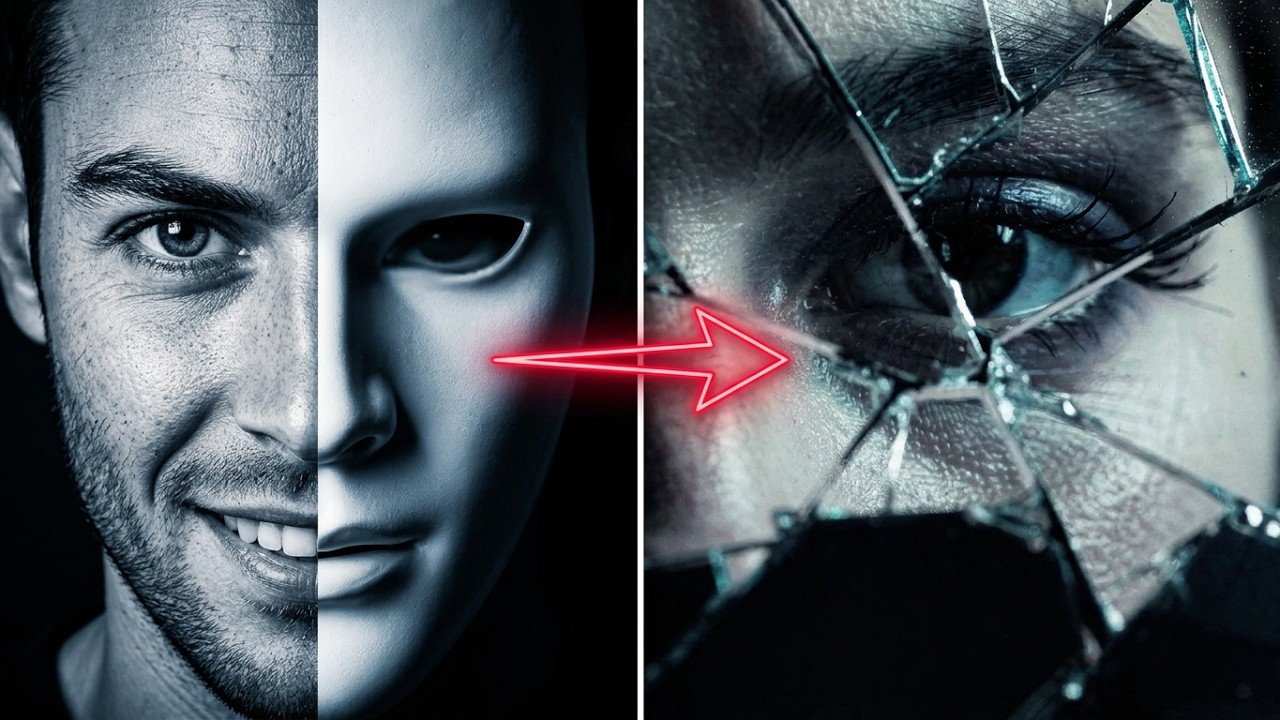
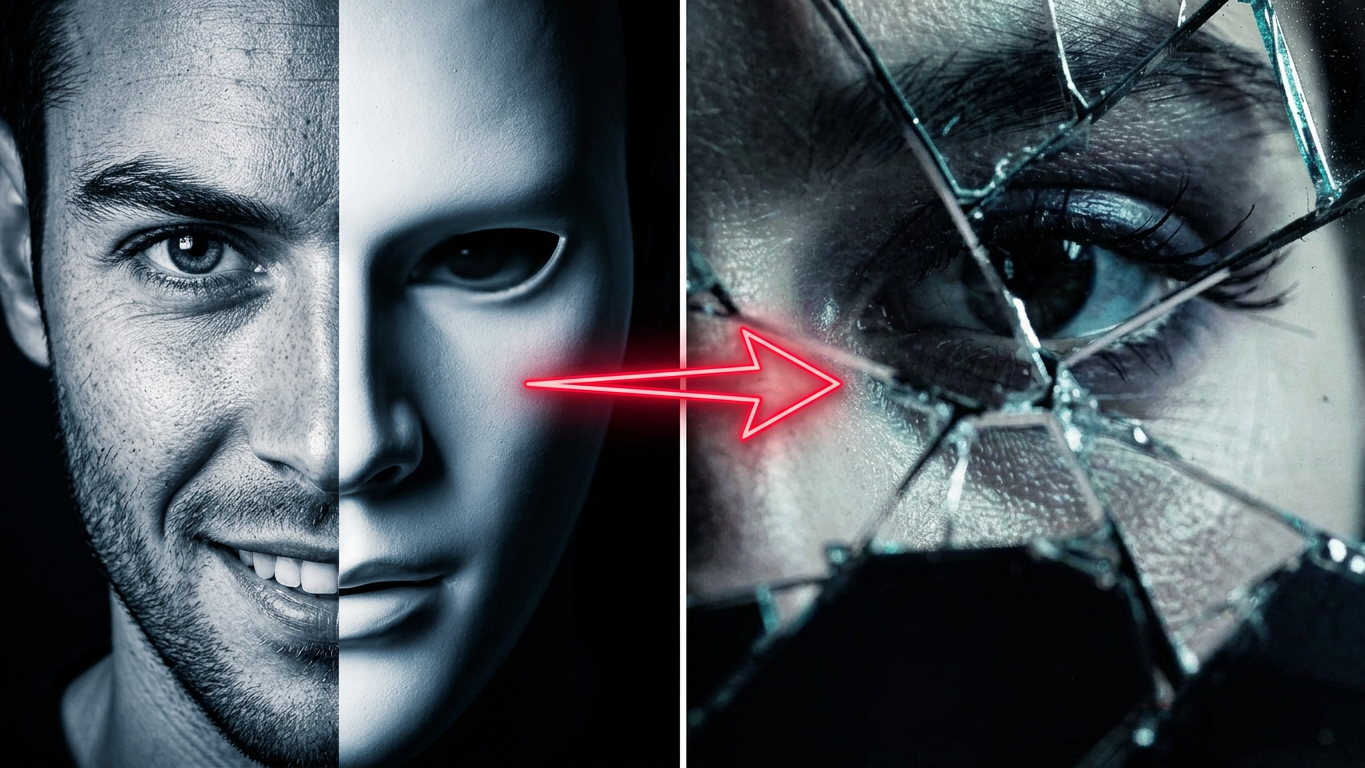
The most effective control is quiet. It looks like love, like concern, like a joke you probably took the wrong way. It is a playbook, and once you can see it, it stops working.
Narcissists and skilled manipulators do not always scream or slam doors. By the time you feel how much ground you have lost, you are already apologizing for things you cannot name.
That is not an accident. It is a playbook. Below are the 7 dark psychology techniques narcissists use to control you, in the order they usually appear. For each you get what it is, why your brain falls for it, and the exact line that shuts it down.
An overwhelming flood of affection, attention, and promises at the very start. It is not generosity, it is investment. When someone puts you on a pedestal that fast, your brain bonds hard, which means it hurts far more to walk away later, exactly when you should.
The tell: the pace is dizzying and the affection feels conditional on you mirroring it back.
Making you doubt your own memory and perception so their version of reality becomes the only one you trust. Say the denial often enough and you stop trusting your read on anything. See the 3 signs of gaslighting.
The tell: you have started saving texts and screenshots to prove to yourself you are not crazy.
Bringing a third person into the dynamic, an ex, a friend, an “everyone thinks,” to create jealousy, competition, and self doubt. You are no longer relating to them, you are auditioning against a ghost.
The tell: you keep hearing what other people supposedly think of you. Always unflattering, always unverifiable.
Unpredictable cycles of warmth and coldness. This is the most addictive pattern in behavioral psychology, the same mechanism that makes slot machines addictive. You stay because you are chasing the next hit of the good version of them. It is also the engine of a trauma bond.
The tell: you feel relief, not safety, when things are good, because you are always bracing for the drop.
Slowly cutting you off from friends, family, and outside perspectives, often framed as love. Control requires an audience of one. Being cut off literally registers in the brain like a threat, so isolation destabilizes you at a primal level. Read the full breakdown →
The tell: your world has quietly shrunk to one person, and reaching out to others now feels like a betrayal.
Controlling the narrative before you can. They paint themselves as the victim and you as the unstable one, so that if you ever speak up, no one believes you. It is pre-emptive isolation.
The tell: people treat you differently and you do not know why. The manipulator is “so worried about you” to everyone else.
Sucking you back in right when you start to leave. Sudden apologies, “I’ve changed,” a crisis only you can help with, or a return to the love bombing that started it all. It targets your hope and resets the whole cycle. Read the full breakdown →
The tell: the change is dramatic, perfectly timed to your exit, and never lasts.
The one pattern behind all seven
Notice what connects every technique. None of them look like abuse in the moment. There is no single scene you could point to and call cruel. That is the design. Ordinary manipulation leaks, showing up as obvious coldness your gut can catch. This kind does not leak, because each move is wrapped in something that looks like love, concern, or a joke.
Does being close to this person consistently cost you more than it gives?
If several of these techniques feel familiar, that is not you being paranoid or “too sensitive.” That is your judgment working. Trust it.
Frequently asked questions
What are the most common ways narcissists control you?
The usual ones are love bombing, gaslighting, cutting you off from other people, playing you against someone else, and giving affection then pulling it away. Almost all of it runs on the same trick. They give you warmth, then punish you, so you keep working to win back the version of them you met at the start.
How do you break free from a narcissist’s control?
Name the tactic to yourself the moment it happens, because that alone breaks the spell a little. Rebuild the friendships they pushed you away from. Stop explaining and defending yourself every single time. And where you safely can, go low contact or no contact. Their grip loosens the second you stop reacting the way they expect.
Can a narcissist actually change?
It happens, but it is rare, and it tends to happen only when they decide to face themselves without being cornered into it. So make your decisions based on how they treat you now, not on the hope of who they might one day be.
Is narcissistic manipulation a form of abuse?
Yes. Controlling someone, gaslighting them, and manipulating them emotionally or financially all count as psychological abuse, even when nobody ever raises a hand.
Want the whole playbook?
The Narcissist’s Playbook: the manipulation tactics and the exact lines that shut them down.
Get the free guideWritten by Soter, decoding the psychology they don’t teach you. This article is educational and not a substitute for professional mental health support. If you are in an abusive situation, please contact a qualified professional or a domestic abuse helpline in your country.
Two of their favourite moves get their own breakdowns: gaslighting and the silent treatment. The push and pull they run is also what builds a trauma bond.