Understanding the Link Between Nutrition and Sleep
Understanding the link between nutrition and sleep can transform your nightly rest. Here’s how you can use food to enhance your sleep quality:
Key Nutrients for Sleep:
- Tryptophan: An amino acid that converts to serotonin and then melatonin, the sleep hormone. Foods include:
- Turkey, Chicken: High tryptophan content.
- Dairy Products: Milk, cheese, yogurt.
- Nuts and Seeds: Especially sesame seeds and walnuts.
- Magnesium: Helps calm the nervous system and regulate melatonin. Sources are:
- Leafy Greens: Spinach, kale.
- Nuts: Almonds, cashews.
- Whole Grains: Brown rice, quinoa.
- Melatonin: Directly aids in managing sleep-wake cycles. Natural sources include:
- Tart Cherries: Especially in juice form.
- Nuts: Walnuts, pistachios.
- Grains: Rice, oats.
- Vitamin B6: Essential for melatonin synthesis. Found in:
- Bananas: Also a source of tryptophan.
- Chickpeas: Great for vegetarian diets.
- Salmon: Combines B6 with omega-3s.
- Omega-3 Fatty Acids: Support brain health, potentially aiding in sleep regulation. From:
- Fatty Fish: Salmon, mackerel.
- Flaxseeds, Chia Seeds: Plant-based options.
Dietary Tips for Better Sleep:
- Carbohydrates: Complex carbs increase tryptophan availability in the brain. Choose:
- Whole Grains: They keep blood sugar levels stable.
- Vegetables: Sweet potatoes, carrots.
- Protein: But not too much at night; focus on:
- Lean Proteins: Like turkey or a small amount of cheese.
- Avoid Stimulants:
- Caffeine: Limit intake, especially after noon.
- Alcohol: Can disrupt sleep phases.
- Hydration: Drink water but reduce intake before bed to avoid nocturnal awakenings.
- Timing: Have dinner 2-3 hours before bedtime; if hungry later, opt for a light, sleep-friendly snack.
- Herbal Teas: Consider chamomile or valerian tea for their calming effects.
Practical Sleep-Enhancing Meals:
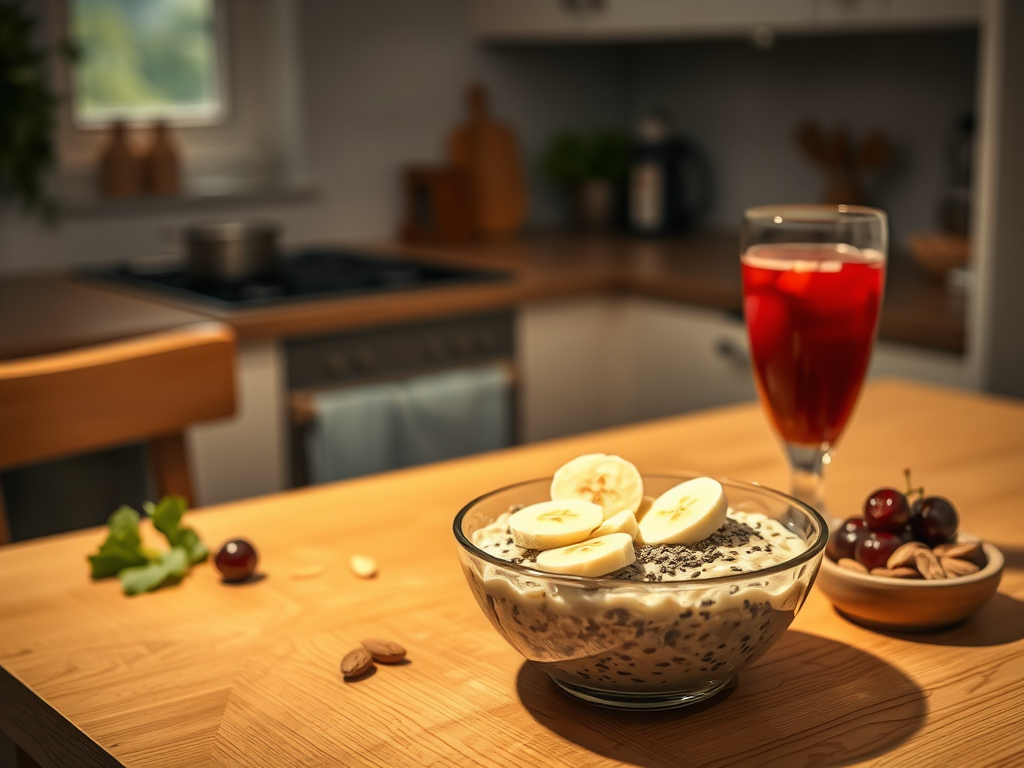
- Breakfast: Oatmeal with bananas and chia seeds.
- Lunch: Quinoa salad with leafy greens and nuts.
- Dinner: Grilled salmon with a side of brown rice and steamed spinach.
- Snack: A small serving of tart cherry juice or a handful of almonds.
What to Avoid:
- High Sugar Foods: Can lead to energy spikes and crashes.
- Spicy or Acidic Foods: Might cause indigestion, leading to restless sleep.
Debunking Common Sleep Myths:
- Myth: Eating Cheese Before Bed Causes Nightmares.
Fact: There’s no solid evidence linking cheese directly to nightmares. Dairy products do contain tryptophan, which can aid sleep. Nightmares are more influenced by stress or diet in general. - Myth: Drinking milk before bed is not the only way to get sleep-inducing tryptophan. There are other sources too.
Fact: Tryptophan is found in many foods beyond milk, like nuts, seeds, and poultry. Milk can help, but it’s not the only source. - Myth: You Shouldn’t Eat Before Bed
Fact: A light snack with complex carbs and protein can help you sleep better. It prevents hunger pangs and stabilizes blood sugar. Just avoid heavy, high-fat meals. - Myth: Alcohol Helps You Sleep Better
Fact: Alcohol can make you feel drowsy and fall asleep faster. Nonetheless, it disrupts the sleep cycle. This is particularly true for REM sleep. As a result, you experience less restful sleep. - Myth: Bananas Cause Insomnia
Fact: Bananas are rich in magnesium and tryptophan, both of which can promote sleep. The myth stems from their potassium content causing increased nighttime urination if overconsumed. - Myth: Herbal Teas Like Chamomile Are Just Placebos
Fact: Chamomile holds apigenin, which has sedative effects. Many studies support the use of chamomile for improving sleep quality.
Nutrition plays a pivotal role in sleep quality. By focusing on foods rich in tryptophan, magnesium, melatonin, and other sleep-supporting nutrients, you can naturally enhance your sleep. Moreover, understanding and debunking sleep myths helps in making informed dietary choices for better rest. It’s not just what you eat that matters. When and how you eat also make a difference in your sleep patterns.
Try adding these foods into your diet and check your sleep quality.
What changes have you noticed in your sleep after adjusting your diet? Share in the comments.