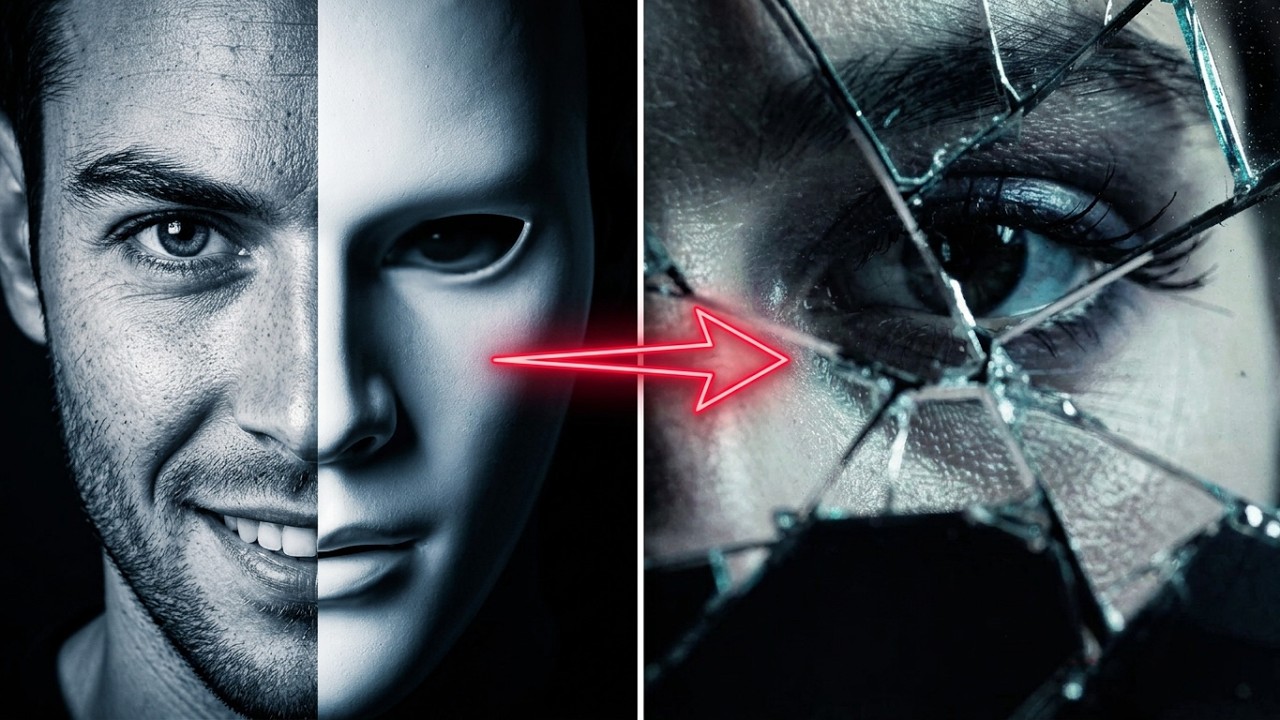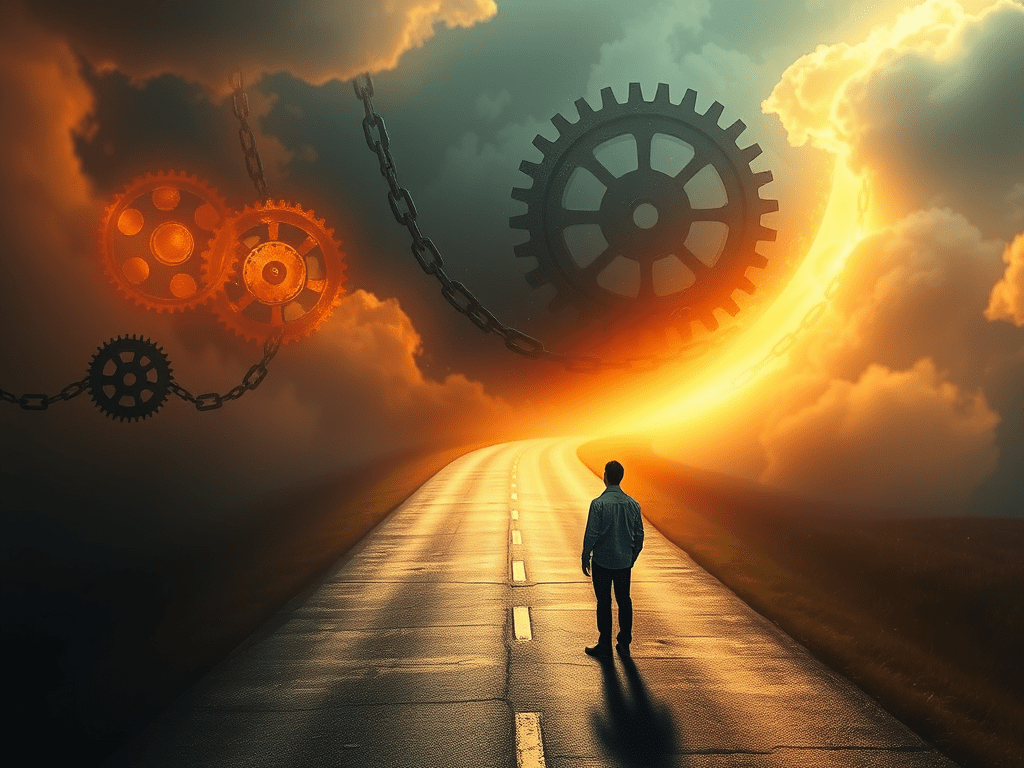
The concept of free will stands as one of philosophy’s most enduring and contentious questions. At its core, the question is whether humans can make choices that are genuinely their own. These choices must be uninfluenced by external forces or predetermined paths. Alternatively, our actions simply are the unavoidable results of a cosmic chain of cause and effect. Let’s break it down.


What Is Free Will?
Free will signifies the idea that you can make decisions independently. You are not merely a puppet of physics, biology, or fate. Consider the choice between coffee or tea in the morning; that feeling of autonomy is the essence of free will. You are the author of your actions, not just a character chasing a script.
The Big Philosophical Camps
Philosophers have grappled with this issue for centuries, leading to the emergence of a few main camps:
Libertarianism (Philosophical, Not Political)
View: Free will is real. It stands in contradiction to determinism (the notion that everything is caused by earlier events). You are the captain of your ship, making choices that transcend past influences.
Challenge: Yet, science, particularly neuroscience, presents significant challenges. Studies, like those by Benjamin Libet in the 1980s, show that brain activity occurs before you’re consciously aware. For example, this can happen when making a decision, like moving your hand. If your brain acts first, can you truly be said to choose?
Hard Determinism
View: Everything, including your so-called “choices,” is dictated by prior causes—genetics, upbringing, environment, even the laws of physics. Free will? It’s merely an illusion. You’re a domino, not an autonomous decision-maker.
Challenge: If we are not free, how do we justify holding people accountable? If you can’t have acted otherwise, can we really blame you for wrongdoing or commend you for good deeds? This presents a formidable challenge to our moral and justice systems.
Compatibilism
View: Free will and determinism can coexist harmoniously. Your actions are shaped by prior causes. You are free as long as you are not coerced. Your choices must also align with your desires. Thus, opting for coffee because you genuinely want it is an example of free will. This even holds true if your brain is predisposed to that choice.
Critique: Some argue this merely redefines free will to sidestep the tough questions—essentially offering a diluted version of freedom.
The Human Perspective
Most individuals have an innate sense of free will. When you decide to change jobs or select a film, it feels as though you are in control. Yet, neuroscience continues to show evidence that our brains can dictate actions before we consciously endorse them. Nevertheless, philosophers like Immanuel Kant argued that free will is fundamental to ethical responsibility. If we lack freedom, how can we be accountable for our moral decisions? Our legal and moral frameworks rest on this very assumption.
Cultural Takes
Your stance on free will is often shaped by your cultural perspective. Western societies often celebrate individual agency—think “you create your own destiny.” In contrast, certain Eastern philosophies, like Buddhism, view the self as an illusion. Free will also be seen as an illusion. They are part of a larger continuum of existence. Such worldviews profoundly influence our understanding of this complex issue.
The Messy Truth
So, is free will authentic? It’s unlikely to be a straightforward yes-or-no answer. It exists on a spectrum—some choices feel freer than others (like picking coffee versus making life-altering decisions). Alternatively, it is a “useful fiction.” It is a narrative we embrace to navigate life’s complexities. This happens even if the universe operates partially on predetermined scripts. This debate is captivating as it intertwines logic, science, and our intrinsic feeling of control.
What’s your perspective? Do you truly feel like the driver in your own story? Or do you sense you’re merely a passenger?