Beauty, Longevity and Aging Well
How Chronic Stress
Deteriorates Your Skin
And proven ways to fight back by lowering cortisol for glowing, youthful skin.
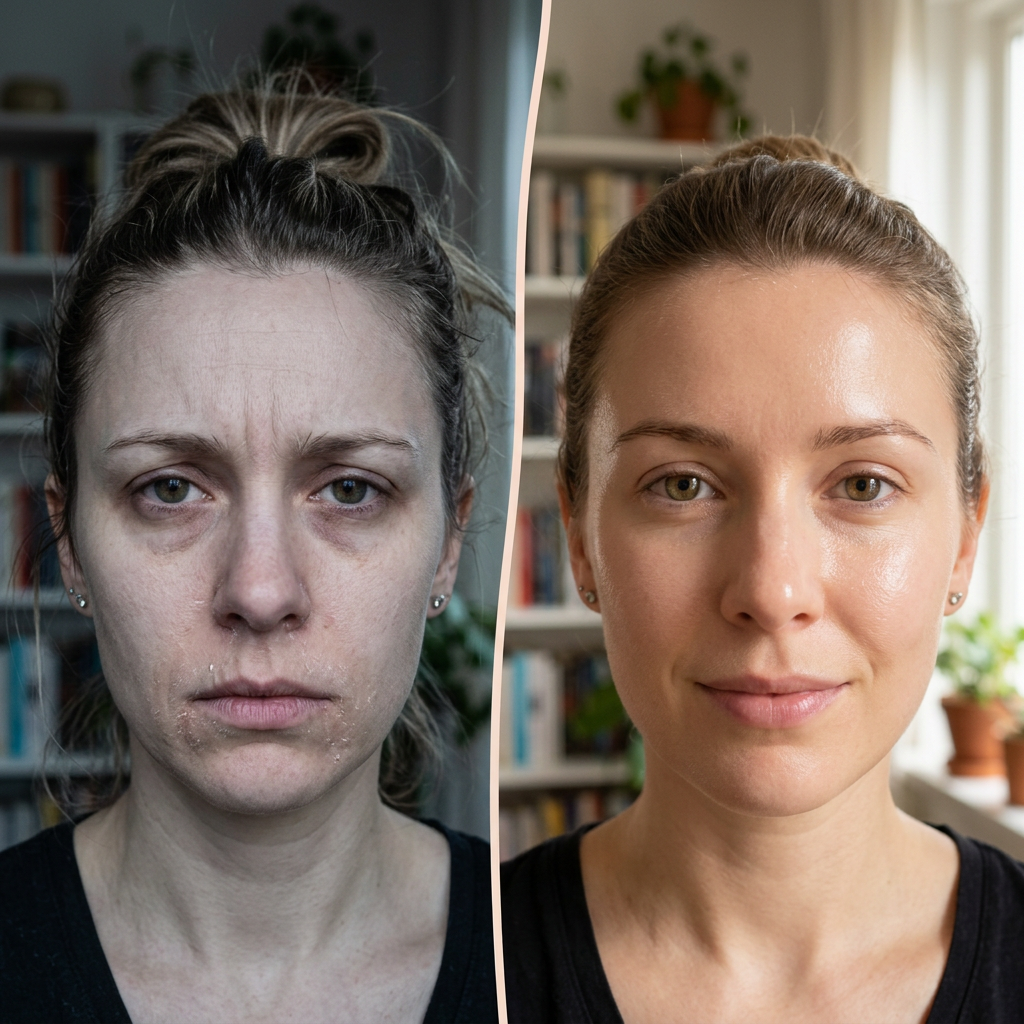
Chronic stress is one of the biggest (yet often overlooked) causes of premature skin aging. High cortisol levels break down collagen and elastin, increase inflammation, and weaken the skin barrier, leading to wrinkles, dullness, and sagging.
How Stress Ages Your Skin
Cortisol triggers enzymes that destroy collagen and elastin, causing premature wrinkles and loss of firmness.
Chronic stress fuels low-grade inflammation, which accelerates visible aging and skin sensitivity.
Stress weakens the skin’s protective barrier, leading to dehydration, irritation, and dullness.
Science-Backed Ways to Lower Stress & Improve Skin
Practice 5 to 10 minutes of meditation, deep breathing, or progressive muscle relaxation daily.
Aim for 7 to 9 hours of restorative sleep. Skin repairs itself most effectively during deep sleep.
Regular exercise reduces cortisol over time and improves circulation, supporting healthier skin.
Focus on magnesium-rich foods, vitamin C, omega-3s, and adaptogens like ashwagandha.
Incorporate vitamin C, niacinamide, and retinoids to protect against stress-induced damage and support collagen.
Recommended Products
These supplements and skincare products are specifically chosen to help lower cortisol, repair stress damage, and support healthier, more resilient skin.
Supplements for Stress & Cortisol Management
Ashwagandha (KSM-66)
Clinically studied adaptogen that significantly lowers cortisol levels and improves stress resilience.
Shop on Amazon →Magnesium Glycinate
Highly absorbable form of magnesium that promotes relaxation, better sleep, and nervous system recovery.
Shop on Amazon →Omega-3 Fish Oil (High EPA)
Reduces inflammation caused by chronic stress and supports skin barrier function from within.
Shop on Amazon →L-Theanine + Apigenin
Calming amino acid + natural sleep compound. Excellent for winding down and reducing evening cortisol spikes.
Shop on Amazon →Skincare for Stress-Damaged Skin
Vitamin C Serum (15-20%)
Brightens skin, boosts collagen production, and protects against oxidative stress from high cortisol.
Shop on Amazon →Niacinamide 10% + Zinc
Strengthens the skin barrier, reduces inflammation, and improves skin texture affected by stress.
Shop on Amazon →Retinol / Retinoid Serum
Stimulates collagen production and helps reverse visible signs of stress-induced aging.
Shop on Amazon →Ceramide + Peptide Barrier Cream
Repairs and reinforces the skin barrier, which is often compromised during periods of high stress.
Shop on Amazon →Ready to protect your skin from stress?
Start with one or two of the strategies above and build from there. Small, consistent changes make the biggest difference.
Frequently asked questions
How does stress actually show up on your skin?
Stress raises cortisol, which breaks down collagen, ramps up oil and inflammation, and slows healing. In practice that means more breakouts, flare-ups of things like eczema, dullness, and fine lines showing up sooner than they otherwise would.
Can stress cause acne and breakouts?
Yes. Higher stress hormones push your skin to make more oil and inflame more easily, which is why breakouts often arrive right before a big deadline or event. It is not in your head, it is your skin reacting to your stress chemistry.
How do I fix stress-related skin problems?
Work both ends. Lower the stress itself with sleep, movement, and slow breathing, and support the skin with a gentle, consistent routine and sunscreen. Chasing it with products alone rarely works if the stress driving it never comes down.
How long does it take for skin to recover from stress?
Once your stress eases, skin usually starts looking better within a few weeks as inflammation settles and repair catches up. Deeper effects like collagen loss take longer, which is why managing stress steadily beats fixing flare-ups after the fact.
Keep reading
- Science-Backed Ways to Lower Cortisol
- Best Adaptogens for Stress Relief
- 7 Proven Ways to Sleep Better for Healthier Skin