Psychology and Human Behavior
Dark Empathy:
When Emotional Intelligence Becomes a Weapon
Not everyone who understands your feelings is trying to help you. Some people read emotions with perfect precision, and use that knowledge to get exactly what they want.
We spend a lot of time celebrating empathy. And rightly so. The ability to understand another person’s emotional experience is one of the most important capacities a human being can develop. It is the foundation of kindness, connection, and genuine care.
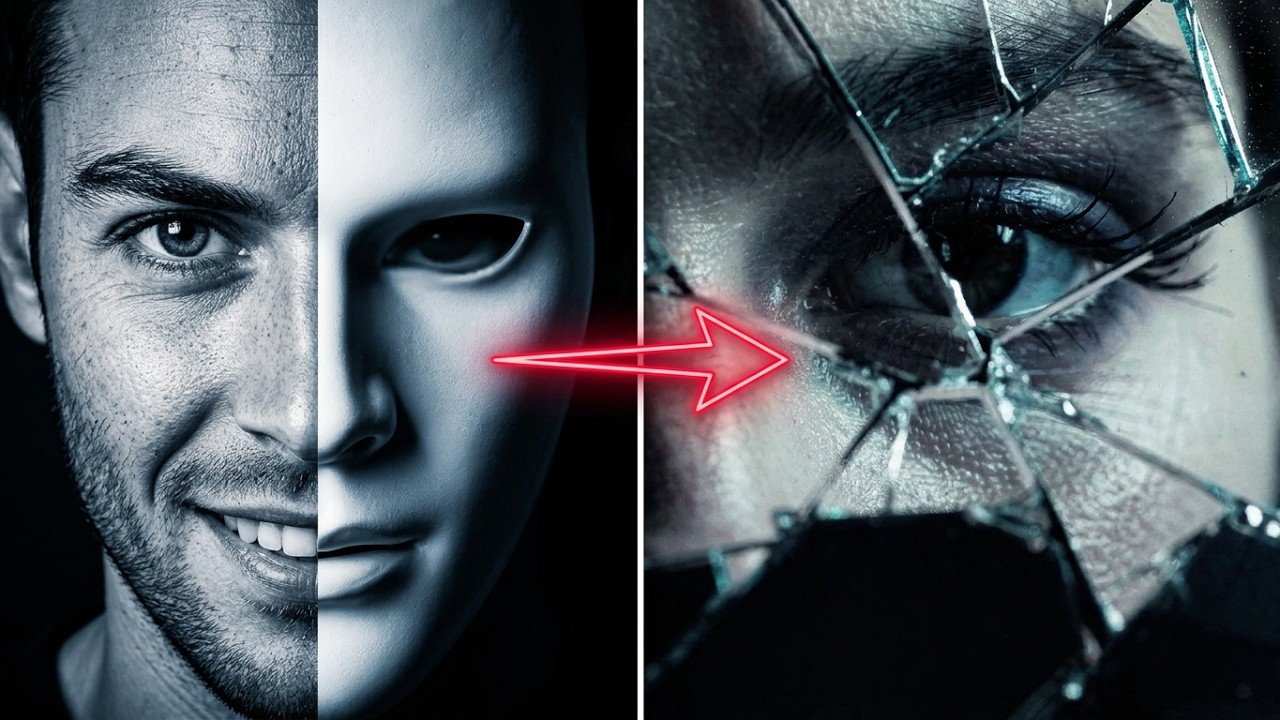
But empathy is a skill. And like any skill, it can be used well or badly. Dark empathy is what happens when someone combines a high ability to read and understand emotions with a low motivation to respond to them with care. The result is a person who uses emotional intelligence not to connect but to control.
It helps to split empathy in two. Cognitive empathy is the ability to accurately read what another person is feeling; affective empathy is actually feeling a version of it, and it is what normally stops us from causing harm. A cold psychopath tends to have the first and almost none of the second. What makes the dark empath so disorienting is that they have real, if limited, affective empathy too, so the warmth is not purely an act, which is exactly why they slip past the instincts you have for spotting someone who does not care.
The term was introduced by psychologist Nadja Heym and colleagues in a 2021 study published in Personality and Individual Differences. They found that a subset of people who scored high on measures of empathy also scored high on the so-called dark triad traits: narcissism, Machiavellianism, and psychopathy. These individuals could accurately identify and mirror emotions. They simply did not feel moved to act on that understanding in a prosocial way.
In this article
What dark empathy looks like in real interactions
A dark empath reads your emotional state with extraordinary accuracy and immediately offers the validation, reassurance, or reflection that fits it. This feels like being deeply understood. And in a sense, you are, they have accurately identified your emotional need. The difference is that they are responding to it strategically rather than genuinely.
Things you share in moments of closeness or vulnerability get filed away and retrieved later in contexts where they give the dark empath power. Not necessarily through direct threat but through subtle references, well-timed reminders, or framing your current behaviour against a past disclosure you wish you had never made.
With someone who genuinely cares, empathy is fairly consistent. They show up for your pain whether or not there is anything in it for them. With a dark empath, their emotional attunement is at its most acute during moments when it produces a desired outcome and notably absent when it would require something from them that benefits only you.
“The most sophisticated manipulation does not feel like manipulation at all. It feels like finally being seen.”
Because they read emotions so well, dark empaths can identify guilt in you before you have consciously named it yourself. They can manufacture it by framing situations in particular ways or by displaying hurt that prompts your caretaking instinct. And once guilt is in place, it is an extraordinarily effective lever. People in guilt will do almost anything to make it stop.
Dark empaths are exceptionally good at reflecting your own values, interests, and emotional world back at you. This creates a sense of profound connection and being deeply understood very quickly. It is the mechanism behind love bombing when deployed in romantic contexts. The intimacy that forms is real for you. For them, it is a tool that produces a desired closeness and dependency.
How to protect yourself without becoming closed
The answer to dark empathy is not to stop being open. It is to notice patterns over time rather than responding to moments alone.
- 📅Measure empathy over months, not moments. Genuine care is consistent. Strategic empathy clusters around moments of benefit and thins out when nothing is at stake for the other person.
- 🔍Notice whether understanding leads to change. A person who genuinely empathises with your pain adjusts their behaviour accordingly. One who reads your pain accurately but keeps doing the thing that causes it is not empathising in the way that matters.
- 🗂Pay attention to how your disclosures are used. Openness in a healthy relationship builds mutual trust. If your vulnerabilities are appearing later in contexts that benefit the other person, that is information worth having.
- 🌱Keep your outside relationships strong. Dark empaths rely on being your primary source of understanding and validation. People with diverse, strong connections outside the relationship are significantly harder to isolate and control.
- 💬Trust the discomfort that does not match the surface. If someone reads consistently as warm and understanding but something feels off underneath, that feeling is data. It deserves attention rather than dismissal.
Recommended Read
The Sociopath Next Door
Martha Stout PhD
Stout’s work on the conscienceless people who move through the world on charm alone is the clearest guide to why genuine-seeming warmth can sit beside real exploitation, and how to recognise the pattern before it costs you.
View on Amazon →Recommended Read
In Sheep’s Clothing
George K. Simon PhD
The definitive guide to covert manipulation by those who appear warm and agreeable on the surface. Simon’s framework maps directly onto the dark empath profile and gives clear tools for identifying the pattern.
View on Amazon →📚 Full Reading List
All books from this post.
Frequently asked questions
What is a dark empath?
A dark empath is someone who reads your emotions accurately, then uses what they learn to manipulate you instead of support you. They feel your feelings well enough to press on them.
How is a dark empath different from a narcissist?
A narcissist often misreads people and steamrolls them. A dark empath understands you, which makes their manipulation quieter and much harder to catch.
What are the signs of a dark empath?
They always seem to know exactly what to say to get a reaction. They bring up your soft spots later to use against you. And they can switch between real charm and small moments of cruelty.
Can you protect yourself from a dark empath?
Watch what they do more than what they say. Keep some of your vulnerabilities private until trust is genuinely earned. And notice whether their understanding of you ever costs them anything, or only ever works in their favour.
A dark empath uses the same toolkit you see in narcissistic control, especially gaslighting.
Did you recognise dark empathy in someone?
Drop a comment. Even a single word is enough to start a conversation about dark empathy. This one is worth talking about.
Keep reading
Psychology
The Fawn Response:Why Some People Appease Instead of Fight or Flee
Read post →Psychology
How Narcissists Control You: 7 Dark Techniques
Read post →Psychology
How Manipulators Use Your Own Kindness Against You
Read post →Mental Wellness
Gaslighting: How to Reclaim Your Reality
Read post →Read next: How Narcissists Control You, 7 dark psychology techniques (and how to fight back)