Beauty, Longevity and Aging Well
Intermittent Fasting
A Science-Based Guide for Weight Loss
Intermittent fasting is not a fad. It is one of the better-studied eating patterns for weight and metabolic health, as long as you follow the evidence instead of the hype.
Intermittent fasting isn’t a fad, it’s a powerful tool backed by growing evidence for improving body composition, cardiometabolic markers, and potentially extending healthspan. Multiple 2024-2025 meta-analyses confirm its benefits rival or complement traditional calorie restriction.
High-certainty findings from umbrella reviews and meta-analyses:
- Weight & Fat Loss: Reduces waist circumference, fat mass, and overall body weight more effectively in some protocols (e.g., alternate-day fasting).
- Metabolic Health: Lowers fasting insulin, LDL cholesterol, total cholesterol, triglycerides, and inflammation markers. Increases HDL and preserves fat-free mass.
- Heart Health: Improvements in blood pressure (especially diastolic) and overall cardiometabolic risk.
- Other Potential Benefits: Enhanced autophagy (cellular cleanup), better insulin sensitivity, and possible neuroprotective effects. Long-term adherence appears key.
Note: Results are strongest in overweight/obese adults. Benefits are comparable to continuous calorie restriction but may improve compliance for some people.
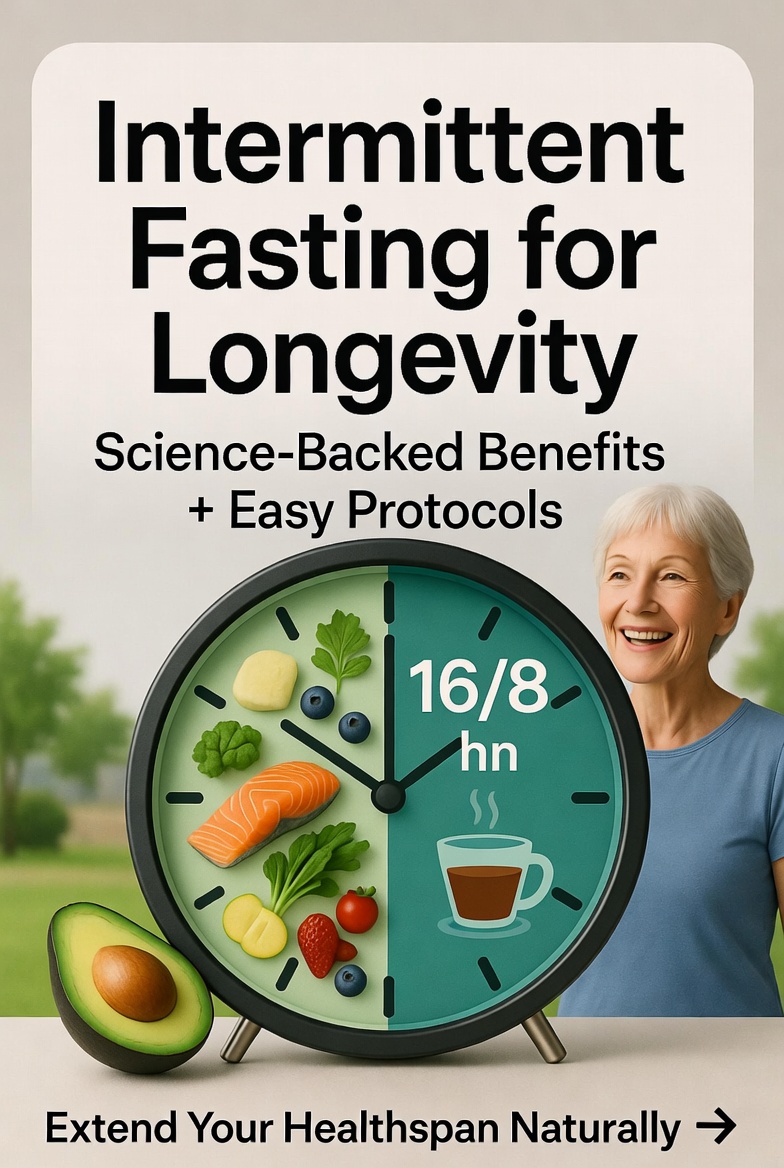
- 16/8 Time-Restricted Eating: Eat within an 8-hour window (e.g., 12pm-8pm). Easiest for beginners.
- Alternate-Day Fasting (ADF): Modified version (500 calories on fast days) shows strong results.
- 5:2 Diet: Normal eating 5 days, restricted calories 2 days.
- Begin with 12/12 and gradually extend.
- Stay hydrated and prioritize nutrient-dense foods (vegetables, protein, healthy fats).
- Combine with exercise, especially post-meal walks.
- Monitor energy, sleep, and mood. Women and those with medical conditions should consult a doctor.
- Break fasts gently; avoid bingeing.
Temporary side effects like hunger or fatigue are common initially. Not ideal for everyone (e.g., pregnant, eating disorders, certain medications). Long-term bone health data is mixed but generally neutral when nutrition is adequate.
Intermittent fasting offers science-backed tools for better health and longevity. Experiment mindfully and track results.
Recommended tools
Intermittent Fasting Journal/Tracker
Extra Virgin Olive Oil for Mediterranean-style meals
Recommended Tools
The bottom line
Intermittent fasting offers science-backed tools for better health and longevity. Experiment mindfully and track results.
The best fasting protocol is the one you can actually keep. Consistency beats intensity every time.
Frequently asked questions
What does the science say about intermittent fasting?
The evidence is decent for weight control and better blood sugar, and weaker for the bigger longevity claims in humans. Much of the strongest data comes from animal studies. It is a useful tool for some people, not a proven path to a longer life.
Which intermittent fasting method is best for beginners?
The 16:8 approach, where you eat within an 8-hour window, is the most popular and the easiest to sustain. Starting with a 12-hour overnight fast and building up is gentler still. The best protocol is simply the one you can keep up without misery.
How do I start intermittent fasting safely?
Ease in rather than jumping to a long fast. Keep your meals balanced and nourishing, drink plenty of water, and pay attention to how you feel. If you get dizzy, drained, or preoccupied with food, loosen the window. It should make eating simpler, not harder.
What are the downsides of intermittent fasting?
It does not suit everyone. Some people get irritable, low on energy, or fixated on food, and it can be risky for those with a history of disordered eating or certain medical conditions. If it makes you feel worse rather than better, it is not the right tool for you.
What to eat in your window
Fasting only works if the eating part is solid. Here are 20 high-protein snacks that keep you full without blowing the window.
Read: 20 High-Protein SnacksWritten by Soter. This article is general information, not medical advice. Intermittent fasting is not right for everyone, so talk to a qualified professional before starting, especially if you are pregnant, diabetic, or have a history of disordered eating. This post contains affiliate links, and the blog may earn a small commission at no extra cost to you.