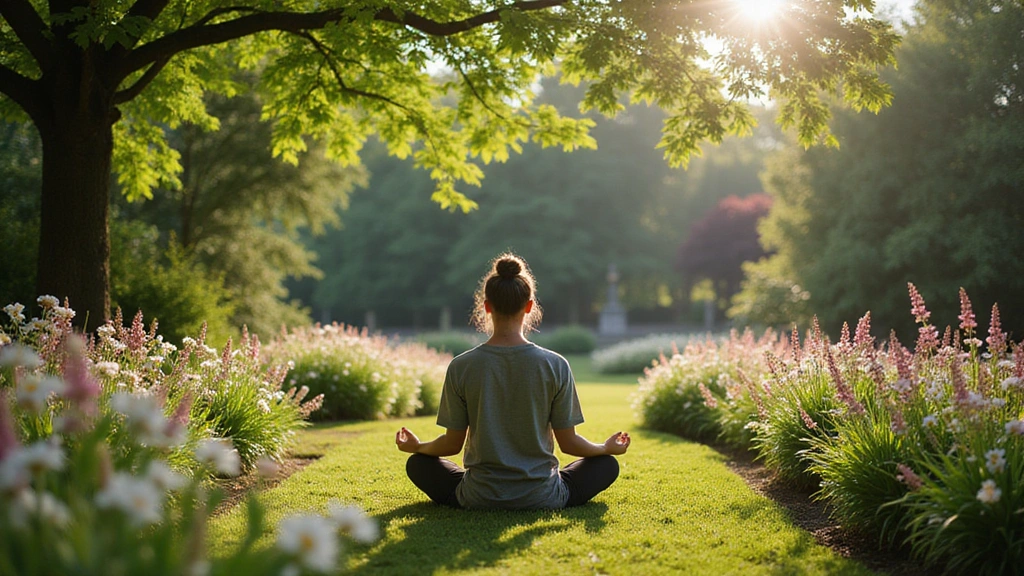
Life’s got a way of throwing curveballs, doesn’t it? Between juggling work, family, and a social life, stress can pile up like laundry on a Sunday. But what if I told you that you can take a moment for yourself almost anywhere? Mindfulness techniques are like little golden nuggets that can help you find calm in the chaos. These techniques not only promote relaxation but also encourage lifestyle changes that can reduce stress over time. In this guide, we’ll dive into 11 effective mindfulness practices that you can incorporate into your daily routine. Get ready to transform your life one mindful moment at a time!
Contents
- 1. Deep Breathing: Your Instant Calm
- 2. Mindful Walking: Movement with Awareness
- 3. Body Scan: Tune Into Yourself
- 4. Nature Connection: Get Outside!
- 5. Mindful Eating: Savor Every Bite
- 6. Journaling: A Safe Space for Thoughts
- 7. Gratitude Practice: Cultivating Positivity
- 8. Progressive Muscle Relaxation: Release Tension
- 9. Affirmations: Speak Positivity into Existence
- 10. Visualization: Create Your Calm
- 11. Digital Detox: Unplug to Recharge
1. Deep Breathing: Your Instant Calm

Deep breathing is like a reset button for your mind and body. When stress hits, take a moment to focus on your breath. Inhale deeply through your nose for a count of four, hold for four, and exhale slowly through your mouth for another count of four. This simple technique promotes a state of relaxation, lowers heart rate, and helps clear your mind. You can do this anywhere—at your desk, in the car, or even while waiting in line.
To enhance your deep breathing practice, consider using a mindfulness meditation cushion. This comfortable floor pillow provides support during meditation, helping you maintain proper posture and focus. Additionally, finding a quiet spot to minimize distractions, closing your eyes, and incorporating visualization—such as imagining breathing in peace and exhaling stress—can elevate your experience even further.
For a more guided approach to relaxation, look into the guided meditation CD or app that offers premium meditations for stress management and relaxation. With these resources, just a few minutes of practice can make a huge difference in your day!
2. Mindful Walking: Movement with Awareness

The simple act of walking can become a transformative mindfulness practice. Mindful walking encourages you to engage fully with the act itself. Feel your feet touch the ground, notice the rhythm of your breath, and take in the sights and sounds around you. Whether you’re strolling through a park or walking to your next appointment, keep your attention on each step.
Here’s how to get started:
- Begin at a slow, comfortable pace to help you focus.
-
Use your breath to synchronize with your steps.
-
Pay attention to your surroundings—notice colors, scents, and sounds.
To enhance your mindful walking experience, consider using comfortable walking shoes. A lightweight, non-slip option can keep you stable and focused on your surroundings rather than your feet, allowing you to truly immerse yourself in the practice.
Additionally, you might find it helpful to keep a record of your experiences and reflections in a mindfulness journal. This journal is designed for daily practices and writing prompts that encourage living in the present moment. It can support your mindful walking journey by allowing you to reflect on what you observe and feel during your walks.
This practice not only calms the mind but also invigorates the body while you soak in the beauty around you!
3. Body Scan: Tune Into Yourself

A body scan meditation is a fantastic way to reconnect with your body and release tension. To enhance your experience, consider using a Meditation Cushion like the Retrospec Sedona Zafu, filled with buckwheat hulls. This cushion provides the comfort and support you need to settle into a deep state of relaxation, making it easier to focus on each part of your body during the scan.
Start by finding a comfortable position on your cushion, close your eyes, and begin at the top of your head. Gradually pay attention to each section of your body, noticing sensations without judgment. This practice helps you understand areas of stress or discomfort.
To further deepen your mindfulness journey, you might want to keep track of your insights in the Mindfulness Journal. This journal offers daily practices, writing prompts, and reflections that can enhance your self-awareness, helping you manage your emotions more effectively in everyday life.
Steps to follow:
- Start with deep breathing to ground yourself.
-
Progressively move your focus from head to toe (or vice versa).
-
Acknowledge any sensations you feel—tingling, tension, or relaxation.
This practice not only promotes stress relief but also enhances self-awareness, making it easier to navigate daily challenges.
4. Nature Connection: Get Outside!

Connecting with nature can be incredibly grounding and uplifting. Spend some time outdoors, whether it’s in a park, forest, or even your backyard. Nature has a way of calming the mind and reducing stress levels. Listen to the sounds of birds, feel the breeze, and soak in the beauty around you.
To deepen this connection, engage your senses: touch the leaves, smell the flowers, and listen to the rustling trees. You might find that using a nature sounds machine can enhance your outdoor experience by immersing you in a variety of soothing sounds that mimic the tranquility of nature, even if you’re in a busier environment. With memory function and 20 non-looping sounds, it can help you achieve a peaceful mindset.
Additionally, consider bringing along a portable hammock to your chosen outdoor spot. This durable hammock offers a comfortable place to relax and reflect on how nature impacts your mood. Simply being outside in a cozy hammock can shift your perspective and leave you feeling refreshed and rejuvenated.
Take a moment to practice gratitude for the environment around you, and let these simple additions help you cultivate a deeper sense of peace and connection in the great outdoors.
5. Mindful Eating: Savor Every Bite

Mindful eating is all about being present during meals. Instead of scrolling through your phone or multitasking, focus on the food in front of you. Pay attention to the flavors, textures, and aromas of each bite. This practice helps you cultivate a healthier relationship with food and can even prevent overeating.
To enhance your mindful eating experience, consider starting your meal with a moment of gratitude for your food. Chew slowly and savor every bite, noticing how it feels and tastes. Putting down your utensils between bites can also prolong the experience, allowing you to fully appreciate your meal.
Using the right tools can further support your mindful eating journey. For instance, a bamboo utensil set can be a great addition to your dining experience. These utensils are sturdy, lightweight, and easy to clean, making them perfect for taking your time with meals and avoiding distractions.
Additionally, keeping a mindfulness journal can help you reflect on your eating habits and the emotions surrounding them. Writing down your thoughts can deepen your awareness of your body’s hunger signals and your relationship with food.
By incorporating mindfulness into your meals and using these helpful products, you’ll find more joy in eating while becoming more attuned to your body’s needs.
6. Journaling: A Safe Space for Thoughts

Journaling can be a fantastic tool for processing emotions and relieving stress. Setting aside time to write about your day, feelings, or even things you’re grateful for can help clear your mind. This simple act of putting pen to paper can be incredibly therapeutic.
To enhance your journaling experience, consider using the INSIDE THEN OUT Dig Deeper Journal, which offers 180 guided prompts designed to foster intention, healing, growth, gratitude, self-love, and discovery. This journal creates a supportive space for your thoughts and feelings.
If you prefer a more traditional approach, a lined spiral journal notebook is a great option. With 140 pages, this college-ruled hardcover notebook is perfect for writing freely without distraction, allowing your thoughts to flow naturally.
To make your journaling even more enjoyable, a set of Mr. Pen retractable gel pens can add a splash of color and creativity to your writing. These fast-drying, fine-point pens are ideal for capturing your thoughts with flair, making the process even more engaging.
Here are some journaling prompts to consider:
- Write down three things that made you smile today.
-
Reflect on something you learned this week.
-
Describe a moment when you felt proud of yourself.
By creating this safe space, you can express your thoughts freely and find clarity amidst the chaos of life.
7. Gratitude Practice: Cultivating Positivity

Gratitude practices can shift your focus from stress to positivity. Each day, take a moment to write down three things you’re grateful for, no matter how small. This practice trains your brain to look for the good, fostering appreciation for life’s simple pleasures. To enhance your gratitude practice, consider starting with a dedicated tool like the Gratitude Journal. This journal serves as an effective manifestation guide, helping you track your daily reflections and cultivate a habit of gratitude.
Make it a daily ritual, like doing it first thing in the morning or before bed. Challenge yourself to expand beyond the ordinary—think of people, experiences, or even challenges that taught you something. You might find inspiration from resources like Mindfulness: a Practical Guide to Awakening, which offers insights on staying present and appreciative in your daily life.
Sharing your gratitude with others when possible reinforces those positive feelings. Consider enhancing these moments with the Affirmation Cards, which include thought-provoking questions and affirmations that can spark meaningful conversations.
By consciously focusing on gratitude, you’ll find it easier to navigate stressful situations with a positive mindset.
8. Progressive Muscle Relaxation: Release Tension

Progressive muscle relaxation (PMR) is a simple technique that helps reduce physical stress and anxiety. It involves tensing and then relaxing each muscle group in your body. This practice not only alleviates tension but also encourages a sense of calm.
Here’s how to implement PMR:
- Find a quiet, comfortable space to sit or lie down. Using a quality yoga mat can enhance your comfort, providing a non-slip surface that supports your body as you relax.
-
Begin with your feet, tense the muscles for five seconds, then relax.
-
Work your way up your body, focusing on each muscle group.
To further enhance your relaxation experience, consider incorporating aromatherapy into your routine. Using an essential oil diffuser can create a calming atmosphere with soothing scents that promote relaxation, making PMR even more effective.
Incorporating PMR into your routine can be particularly helpful after a long day or when preparing for sleep, leaving you feeling refreshed and relaxed. You might also keep a stress relief ball nearby to squeeze whenever you feel tension building up, helping to channel any anxiety into a simple physical release.
9. Affirmations: Speak Positivity into Existence

Affirmations are powerful statements that can help reshape your thoughts and boost your confidence. By repeating positive affirmations daily, you can challenge negative beliefs and instill a sense of self-worth.
Here are a few examples to get you started:
- “I am worthy of love and respect.”
-
“I choose to focus on the positive.”
-
“I am capable of overcoming challenges.”
Incorporating affirmations into your morning routine can be a transformative practice. One helpful way to do this is by using affirmation cards. These daily motivational and inspirational cards provide you with a variety of affirmations to inspire you throughout your day. You might also want to write your affirmations on sticky notes. With 800 sheets in different colors, these sticky pads can easily remind you to focus on positivity wherever you are.
Additionally, keeping a mindfulness journal can enhance your affirmation practice. This journal encourages you to reflect on your thoughts and feelings, helping you to track your progress and maintain a positive mindset. Together, these tools can foster resilience and significantly reduce stress in your life.
10. Visualization: Create Your Calm

Visualization can transport you to a peaceful place in your mind, making it a perfect tool for a quick escape from stress. Picture a serene beach, a quiet forest, or even a cozy room filled with warmth. This mental imagery can effectively reduce anxiety and promote relaxation.
To enhance your visualization practice, consider using resources like Peaceful Moments: 40 Guided Meditations for Stress Relief and Relaxation. This guided meditation CD or download offers a variety of serene audio experiences that can help you cultivate a calming mental landscape, making your visualization sessions even more impactful.
Here’s how to practice visualization:
- Choose a calming scene you love.
-
Close your eyes and immerse yourself in the details—what do you see, hear, and feel?
-
Spend a few minutes fully engaged in this mental imagery.
Additionally, keeping a journal can deepen your mindfulness journey. The Let That Sht Go: a Journal for Leaving Your Bullsht Behind and Creating a Happy Life provides prompts that encourage reflection and help you manifest positive thoughts, complementing your visualization efforts.
With regular practice, visualization can become a powerful tool in your stress relief toolkit, giving you a sense of calm just when you need it.
11. Digital Detox: Unplug to Recharge

In our hyper-connected world, taking a break from screens can do wonders for your mental health. A digital detox allows you to disconnect from social media and emails, freeing your mind from distractions. Set aside specific times to unplug—whether it’s during meals or whole days over the weekend.
Consider these strategies for a successful detox:
- Establish tech-free zones in your home, like the bedroom or dining area.
-
Replace screen time with activities like reading, drawing, or spending time outdoors. For instance, using a mindfulness journal can help you reflect on your thoughts and feelings while you’re unplugged.
-
Notice how your mood shifts when you’re not glued to your devices. You might find it refreshing to practice yoga outdoors; an outdoor yoga mat can enhance your experience, providing comfort and support as you connect with nature.
By creating boundaries with technology, you’ll find more space to breathe and think clearly, enhancing your overall well-being.
Conclusion: Take the First Step Towards Mindfulness

Integrating mindfulness techniques into your daily life might seem daunting at first, but with small steps, you can create lasting change. Each of these practices has the potential to transform your relationship with stress and enhance your overall well-being. Try out a few methods and see what resonates with you. Your journey toward a more mindful, stress-free life starts now!
Note: We aim to provide accurate product links, but some may occasionally expire or become unavailable. If this happens, please search directly on Amazon for the product or a suitable alternative.
This post contains Amazon affiliate links, meaning I may earn a small commission if you purchase through my links, at no extra cost to you.