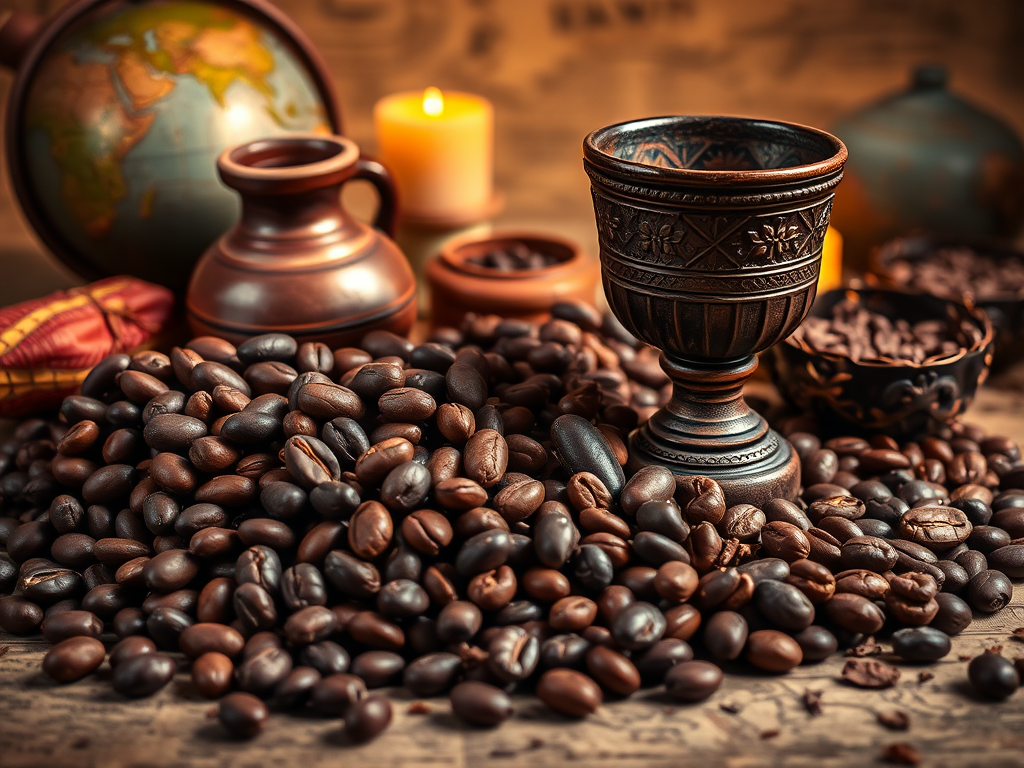
Hello, chocolate enthusiasts! As we approach the chilly nights of February, there’s something about chocolate that feels inherently comforting. Have you ever thought about how this beloved treat traveled from the jungles of Mesoamerica? How did it end up in your local shop in Ireland? Let’s embark on a delicious exploration of chocolate’s history.
Ancient Beginnings – The Cradle of Cacao
Our story begins around 1900 BC with the Olmecs, in what is now known as Mexico. They were the first to cultivate cacao trees, using the beans to create a beverage. This wasn’t the sweet treat we know today. It was a bitter, frothy drink. Often, it was mixed with chili peppers, cornmeal, and local spices.
Mayans and Aztecs
By 600 AD, the Mayans had refined this craft, considering cacao sacred. They drank chocolate in ceremonial contexts, and cacao beans even served as currency. The Aztecs, inheriting this tradition, called their chocolate drink “xocolātl,” which means “bitter water.” It was reserved for the elite, warriors, and priests, believed to bestow wisdom and vigor.
The European Encounter – From Bitter to Sweet
The turning point came in the 16th century when European explorers reached the Americas:
Columbus and Cortés
Christopher Columbus encountered cacao beans in 1502 but didn’t fully appreciate their value. It was Hernán Cortés who, after conquering the Aztec empire, brought cacao back to Spain. Initially, chocolate was consumed as a drink. Europeans added sugar to sweeten the bitterness. This change transformed chocolate into something more palatable for their tastes.
Spread Across Europe
By the 17th century, chocolate had swept through Europe, each country adding its own twist. In France, sugar was the key; in Italy, milk was introduced, laying the groundwork for milk chocolate.
The Industrial Revolution – Chocolate for All
The 19th century was pivotal:
Solid Chocolate
In 1847, Joseph Fry in England created the first solid chocolate bar. He achieved this by mixing cocoa powder with cocoa butter. This innovation marked the beginning of chocolate as we often enjoy it today.
Milk Chocolate
Daniel Peter from Switzerland invented milk chocolate in 1875. He had help from Henri Nestlé. They incorporated condensed milk into the chocolate mix.
Mass Production
Milton Hershey in the USA and Cadbury in the UK pioneered mass production techniques. This made chocolate an affordable treat for all.
20th Century and Beyond – Innovation and Ethics
Variety Explosion
The 20th century saw chocolate diversify with bars, fillings, and flavors.
Craft Chocolate Movement
Recently, there’s been a return to artisanal methods, focusing on quality, ethics, and unique flavor profiles.
Health and Sustainability
Today, chocolate consumption is influenced by health benefits, such as dark chocolate’s antioxidants. Sustainability also plays a role. There are movements towards fair trade, organic, and single-origin chocolate.
Chocolate’s journey began as a sacred drink in ancient civilizations. It has transformed into a global comfort food. This journey is a testament to human ingenuity and our quest for sweetness in life. As you savor your next piece of chocolate, remember this rich history of innovation, trade, and cultural exchange.