Pillar 3, Sustainable Living and Conscious Home
Companion Planting: The Ancient Gardening Secret That Reduces Pests Naturally
Plants that grow together, protect together. Here are the most powerful companion planting combinations and the science behind why they work.
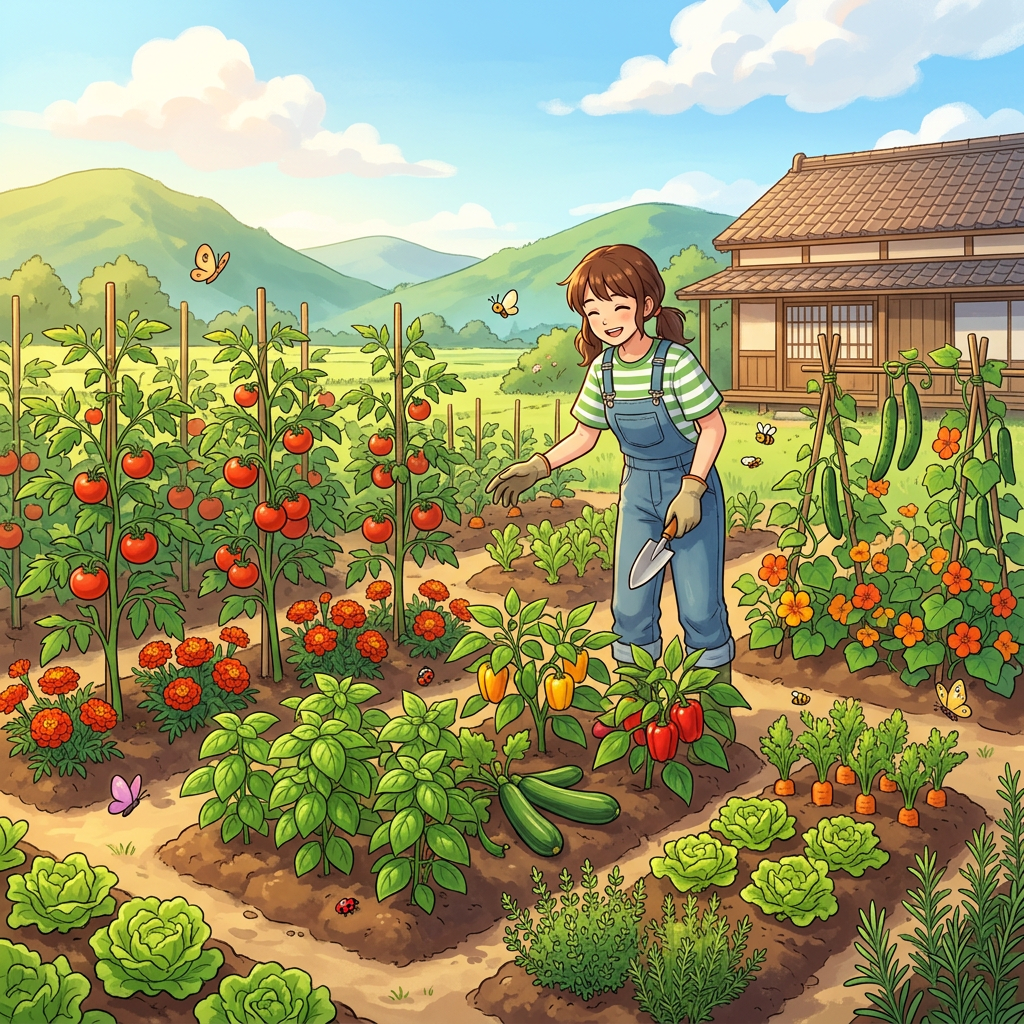
Before synthetic pesticides existed, gardeners around the world had already discovered something that modern science has since confirmed: certain plants protect each other. They repel each other’s pests, attract beneficial insects, fix nitrogen into the soil, and even improve the flavour of their neighbours.
Companion planting is one of the most accessible, zero-cost sustainable gardening techniques available. It requires no products, produces no waste, and works whether you have a small balcony planter or a large vegetable bed.
The most effective companion planting pairings
Basil emits volatile compounds including linalool and eugenol that repel aphids, whitefly, and tomato hornworm moths. Planting basil directly at the base of tomato plants provides both pest deterrence and a culinary bonus. The benefit appears to increase when basil is occasionally bruised or gently crushed, releasing more of these compounds.
Developed by Native American agricultural traditions over centuries, the Three Sisters combination is one of the most studied companion planting systems. Corn provides a climbing structure for beans. Beans fix nitrogen that feeds the corn and squash. Squash’s large leaves shade the soil, retaining moisture and preventing weeds while its prickly texture deters ground pests.
Garlic planted around roses has been used for centuries to reduce black spot and aphid infestations. Sulphur compounds released by garlic into the soil and air create conditions hostile to the fungal spores that cause black spot. Garlic also repels aphids, the primary pest of most rose varieties.
This is a beautifully reciprocal pairing. Leeks repel carrot fly with their strong scent. Carrots repel leek moth and onion fly. Growing them in alternating rows gives each crop a protective barrier provided by the other, with no chemical intervention required.
Nasturtiums function as a trap crop for aphids. Aphids are strongly attracted to nasturtiums and will congregate on them rather than attacking brassicas like cabbage, broccoli, and kale. This is not about eliminating aphids but redirecting them to a sacrificial plant that can be managed separately, protecting the crop you actually want to eat.
Combinations to avoid
- Fennel and almost everything: fennel releases allelochemicals that inhibit the growth of most vegetable crops. Grow it in isolation.
- Onions and beans or peas: alliums inhibit the nitrogen-fixing bacteria that legumes rely on.
- Brassicas and strawberries: compete for similar soil nutrients and brassicas may release compounds that inhibit strawberry growth.
- Dill and carrots when flowering: they are in the same family and will cross-pollinate, reducing seed quality in both.
“A garden that works with natural relationships between plants requires fewer inputs, produces less waste, and almost always grows better food.”
Recommended Read
Carrots Love Tomatoes
Louise Riotte
The classic companion planting reference. Covers hundreds of plant combinations with practical guidance on why each pairing works and how to implement it. The definitive starting point for any sustainable kitchen garden.
View on Amazon →Recommended Read
The Vegetable Gardener’s Bible
Edward C. Smith
The most comprehensive practical guide to growing food sustainably including companion planting, soil building, and natural pest management. Suitable for all garden sizes and experience levels.
View on Amazon →📚 Full Reading List
All books from this post.
Which pairing are you going to try first?
Drop a comment. And tell me what you are currently growing, I would love to suggest the best companion for your garden.
Keep reading
Sustainable Living
The Capsule Home: How Owning Less Creates More Peace
Read post →Sustainable Living
The Psychology of Why Going Zero Waste Is So Hard
Read post →Food as Medicine
The Anti-Inflammatory Grocery List
Read post →Beauty and Longevity
What Chronic Stress Is Actually Doing to Your Skin
Read post →Seeds and tools to get started
Everything mentioned in the pairings above, in one place.Frequently asked questions
What is companion planting?
Companion planting is growing certain plants next to each other because they help one another, whether by repelling pests, attracting helpful insects, improving flavour, or making better use of space. It is an old gardening practice that works with nature instead of fighting it.
Does companion planting actually work?
Some pairings have solid evidence behind them and some are more tradition than science. The reliable ones tend to work by attracting predators of pests, masking the scent of a target crop, or drawing pests away to a sacrificial plant. It is a helpful tool, not a magic force field.
What are the best companion planting pairs?
Classic combinations include tomatoes with basil, carrots with onions, and beans with corn. Marigolds are a popular all-rounder for deterring some pests. The best pairing depends on what you are growing and which problems you tend to get.
Can companion planting really reduce pests without chemicals?
It can reduce them, though rarely to zero. Used alongside healthy soil, crop rotation, and encouraging beneficial insects, companion planting cuts pest pressure enough that many gardeners avoid sprays altogether. Think of it as one layer of defence rather than the whole wall.