
Beauty, Longevity and Aging Well
How to Slow Down Premature Aging
Understand the key drivers of accelerated biological aging and implement evidence-based strategies to support metabolic health, reduce inflammation, and enhance longevity.
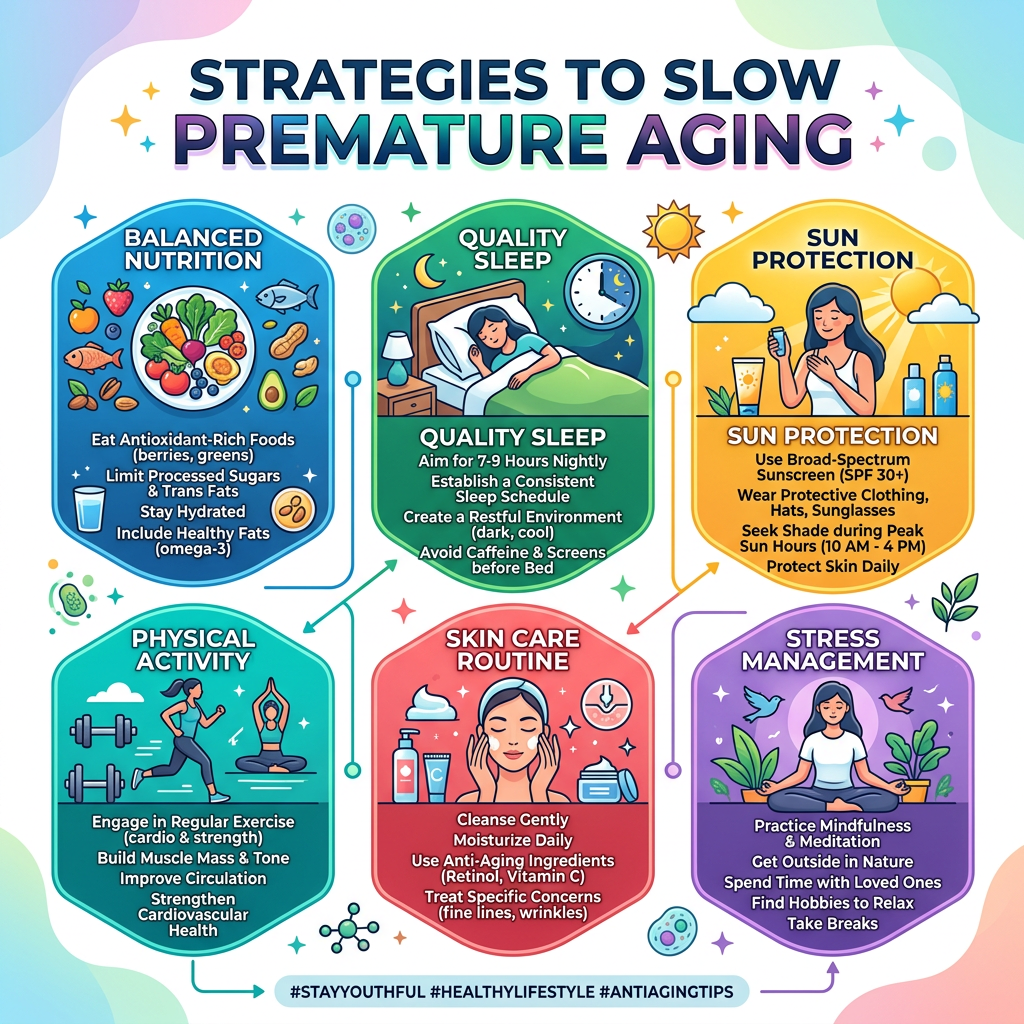
Many individuals in their thirties and forties report a noticeable decline in energy, slower recovery, and visible changes that seem to advance ahead of their chronological age. This divergence between biological and chronological age is often driven by modifiable factors including metabolic function, chronic inflammation, sleep quality, and cardiovascular fitness. Addressing these elements through targeted, evidence-based approaches can help align biological age more closely with chronological age.

The Four Primary Accelerants of Premature Aging
Subclinical impairments in glucose regulation and mitochondrial function can begin in the late twenties, contributing to reduced cellular energy production and accelerated tissue aging.
Elevated inflammatory markers such as hs-CRP and IL-6 promote cellular senescence and are strongly associated with age-related decline, even in the absence of overt symptoms.

Evidence-Based Strategies for Healthy Aging
Consistent moderate-intensity cardiovascular exercise improves insulin sensitivity, mitochondrial density, and VO2 max, a key predictor of longevity. Aim for 150 to 180 minutes per week.
Prioritize consistent sleep schedules and practices that enhance deep sleep stages. Even moderate disruptions elevate inflammatory markers and impair metabolic recovery.

“Zone 2 training and high-quality sleep represent two of the most impactful, accessible interventions for supporting biological resilience across decades.”
Monitoring Progress with Biomarkers
Track fasting insulin, HbA1c, and continuous glucose metrics to assess metabolic health beyond standard glucose readings.
Monitor hs-CRP for inflammation and use wearable data for resting heart rate and heart rate variability as proxies for cardiovascular fitness.
📚 Recommended Reading
Authoritative resources on longevity and metabolic health.
Take Action for Healthy Aging
Implement consistent lifestyle practices and monitor relevant biomarkers to support long-term vitality.
Frequently asked questions
What makes some people age faster than others?
A lot of it is lifestyle rather than genetics. Sun exposure, smoking, poor sleep, chronic stress, and a heavily processed diet are the big accelerants. The good news is those are the things you have the most control over.
Can you actually slow down premature aging?
To a real degree, yes. You cannot stop aging, but daily sunscreen, good sleep, regular movement, not smoking, and managing stress genuinely slow the visible and internal signs. These basics beat any expensive anti-aging product.
What are biomarkers and why do they matter for aging?
Biomarkers are measurable signs of how your body is really doing, like blood sugar, blood pressure, and inflammation. They can reveal aging happening under the surface before you feel it, which gives you a chance to act early rather than react late.
What is the single best habit for aging well?
If you had to pick one, protect your sleep. It underpins your skin, your stress hormones, your metabolism, and your brain. Almost everything else you do for healthy aging works better when you are sleeping enough.
Keep reading
- The Best Anti-Aging Foods
- The Science of Longevity in 2026
- 7 Proven Ways to Sleep Better for Healthier Skin